
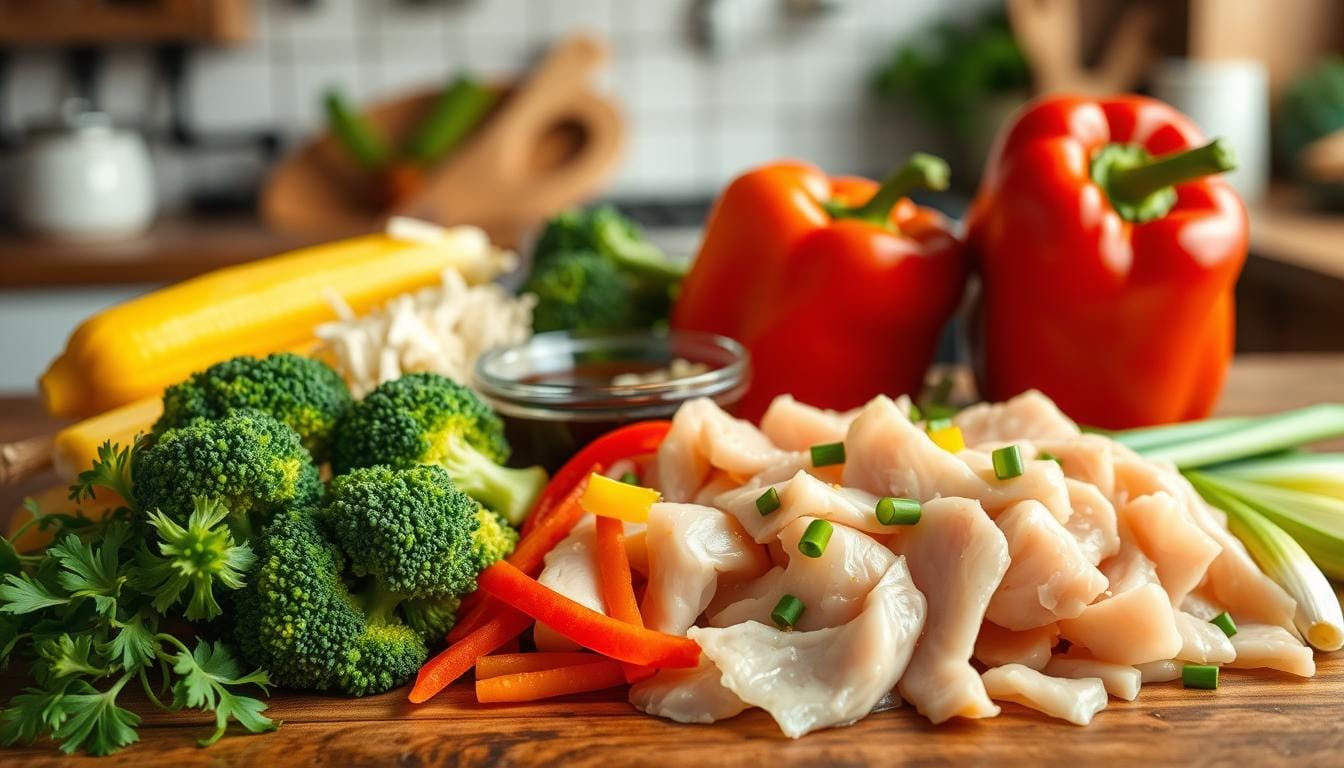
Have you ever wondered how to create a delicious meal in just 30 minutes? If you’re looking for a quick and satisfying dinner, this is the perfect solution. With the right ingredients, you can whip up a colorful and nutritious dish that your family will love.
This easy chicken stir fry focuses on fresh vegetables and a savory sauce, all while excluding pork and alcohol-based ingredients. It’s designed to cater to various dietary preferences, making it an excellent choice for any household.
Imagine transforming your busy weeknight dinners into a vibrant feast that not only pleases the palate but also nourishes the body. In this guide, you will learn how to make a wholesome meal that’s both quick and flavorful.
With just 15 minutes of prep time and a simple cooking process, you’ll discover that making a satisfying meal at home is easier than you think. So, let’s dive into the world of quick, family-friendly dinners!
Table of Contents
Understanding Your Quick and Flavorful Chicken Stir Fry Recipe
Creating a delightful meal in under half an hour is easier than you think. A great chicken stir fry for busy weeknights relies on speed, simplicity, and ingredients that cook quickly over high heat. This ensures they retain their texture and color, making your dish visually appealing and nutritious.
You need a recipe that requires minimal prep time so you can get dinner on the table fast without sacrificing flavor or nutrition. The best chicken stir fry recipes feature a well-balanced sauce that is savory, slightly sweet, and thick enough to cling to every piece of chicken and vegetables.
This chicken stir fry is designed to be a one-pan meal, which means less cleanup and more time to enjoy your evening. You will appreciate that this recipe makes chicken stir fry accessible even on your most hectic days, with straightforward steps and common ingredients.
The decision to exclude pork and alcohol stems from a desire to create a universally enjoyable stir fry that fits various dietary and cultural preferences. You do not need wine or any alcoholic ingredient to build depth of flavor; instead, this recipe uses aromatic garlic, fresh ginger, and rich chicken broth to create complexity.
By omitting pork, this chicken stir fry remains lighter while still delivering ample protein and satisfying texture from the chicken alone. You will discover that a flavorful stir fry sauce can be achieved with soy sauce, honey, and cornstarch without relying on traditional cooking wines.
This approach ensures that every ingredient in your chicken stir fry is purposeful, wholesome, and easy to find at any grocery store.
Essential Ingredients for a Tasty Chicken Stir Fry
The secret to a flavorful stir fry lies in selecting the right ingredients. Understanding what makes a great stir fry can elevate your dish from ordinary to extraordinary. Here, we will break down the essential components that create a delicious and nutritious meal.
Protein: Selecting the Best Chicken Cuts
When it comes to protein, choosing the right cut of chicken is crucial. Both boneless chicken thighs and breasts can work well, but they offer different textures and flavors.
Chicken thighs are naturally juicier and more forgiving during high-heat cooking. This makes them an excellent choice for a tender and flavorful stir fry. If you prefer chicken breasts, cut them into uniform bite-sized pieces to ensure even cooking. Avoid overcooking to maintain their juiciness.
Fresh Vegetables to Add Color and Nutrition
Fresh vegetables are the heart of any colorful stir fry. They provide essential vitamins and add vibrant colors to your dish. Some excellent choices include:
- Bell peppers
- Broccoli
- Snap peas
- Carrots
- Mushrooms
You can mix and match these vegetables based on what is in season or what you have on hand. This flexibility makes your stir fry not only nutritious but also visually appealing.
Choosing Oils and Aromatics for Maximum Flavor Without Alcohol
Choosing the right oil is critical for stir fry success. Oils with a high smoke point, such as peanut oil, canola oil, or extra light olive oil, are ideal for achieving that perfect sear.
Aromatics like fresh garlic and ginger are the backbone of flavor in an alcohol-free stir fry. They infuse the oil and sauce with warmth and depth. Additionally, using toasted sesame oil as a finishing touch preserves its delicate, nutty aroma.
Finally, soy sauce provides the savory, umami foundation for your sauce. You can opt for light soy sauce or tamari for a gluten-free option, ensuring a delicious outcome without any alcohol.
| Ingredient | Type | Benefits |
|---|---|---|
| Boneless Chicken Thighs | Protein | Juicy and forgiving during cooking |
| Bell Peppers | Vegetable | Adds color and vitamin C |
| Garlic | Aromatic | Enhances flavor without alcohol |
| Pineapple Juice | Sweetener | Adds natural sweetness |
| Soy Sauce | Condiment | Provides umami flavor |
Choosing the Right Chicken Cuts: Thighs or Breasts?
Selecting the right cuts of chicken can significantly enhance your stir fry experience. The choice between chicken thighs and breasts can make or break your dish. Each cut offers unique benefits, so understanding their differences is essential for a perfect stir fry.
Boneless chicken thighs are the preferred cut for many stir fry enthusiasts. Their higher fat content keeps the meat moist and tender, even under intense high heat. You will find that thighs are more forgiving if you accidentally leave them in the pan a little longer, making them ideal for beginners learning to make a chicken stir fry.
The rich flavor of chicken thighs pairs beautifully with the savory sauce, creating a satisfying bite that never tastes dry or stringy. When using thighs, trim any excess fat and cut each piece into uniform strips or bite-sized chunks to ensure even cooking.
Benefits of Using Boneless Chicken Thighs
- Juiciness: Thighs stay nice and juicy in stir fries.
- Forgiveness: They are more forgiving if overcooked.
- Flavor: Their rich flavor enhances the overall dish.
On the other hand, chicken breasts are a leaner alternative that can yield excellent results in your stir fry if prepared properly. To tenderize chicken breasts, slice against the grain and optionally pound them to an even thickness before cutting into pieces. This method helps achieve a tender texture.
Additionally, patting the chicken dry with paper towels before seasoning is crucial. This step helps achieve a golden sear rather than steaming the meat in the pan. Always cut your chicken into pieces of similar size so that every piece cooks at the same rate. This avoids some pieces being overcooked while others remain underdone.
Marinating the chicken briefly in a mixture of soy sauce and cornstarch can help lock in moisture and create a velvety texture without any alcohol. Make sure you do not overcrowd the pan when cooking; working in batches if necessary ensures that each piece gets a nice, caramelized exterior.
| Chicken Cut | Texture | Flavor | Cooking Tips |
|---|---|---|---|
| Boneless Chicken Thighs | Moist and tender | Rich and savory | Trim excess fat and cut into uniform pieces |
| Chicken Breasts | Lean and firm | Mild | Tenderize and cut against the grain |
Choosing Vegetables for Your Chicken Stir Fry
Choosing the right vegetables can transform your meal into a vibrant and nutritious experience. The selection of fresh, colorful vegetables not only enhances the visual appeal of your dish but also boosts its nutritional profile. Here, we will explore various options that can elevate your stir fry.
Colorful Veggies That Bring Flavor and Nutrition
Colorful vegetables are not just visually appealing; they also provide a wide range of vitamins, minerals, and antioxidants that make the dish genuinely nutritious. Here are some excellent choices:
- Red and Yellow Bell Peppers: These add a sweet, crisp texture and are packed with vitamin C, making them a staple in any vibrant stir fry.
- Broccoli: Broccoli florets bring a satisfying crunch and earthy flavor, holding up well to high-heat cooking without becoming mushy.
- Sugar Snap Peas: These contribute a delightful sweetness and a juicy snap when you bite into them, adding both texture and a bright green color to the dish.
- Carrots: Whether julienned or sliced thinly, carrots offer a subtle sweetness and a beautiful orange hue that complements the other vegetables perfectly.
Flexible Vegetable Options Based on What You Have on Hand
You can feel free to use whatever vegetables you have on hand, such as zucchini, mushrooms, baby corn, bean sprouts, or even leftover cabbage. The key to flexible vegetable options is understanding cooking times:
- Denser vegetables like broccoli and carrots should be added earlier, while leafy greens go in at the very end.
- Frozen edamame is a convenient addition that brings protein and a pop of green color without requiring any extra prep work.
- Red cabbage adds a stunning purple color and a pleasant crunch, but you can easily substitute green cabbage, spinach, or kale based on availability.
The total quantity of vegetables should be around seven to eight cups packed if using leafy greens that wilt down, or about five cups of firmer vegetables for the perfect balance.
| Vegetable | Color | Benefits |
|---|---|---|
| Red Bell Pepper | Red | Packed with vitamin C, adds sweetness |
| Broccoli | Green | Rich in fiber, holds texture |
| Sugar Snap Peas | Green | Sweet flavor, adds crunch |
| Carrots | Orange | Subtle sweetness, rich in beta-carotene |
| Red Cabbage | Purple | High in antioxidants, adds crunch |
Making an Alcohol-Free Stir Fry Sauce That Shines
Crafting a flavorful sauce for your meal can be both simple and satisfying. You can create a standout sauce that enhances your dish without any alcohol. Understanding how to layer savory, sweet, and umami flavors using the right ingredients is essential for a successful sauce.
The foundation of your sauce begins with chicken broth. This provides a rich, savory depth that replaces the complexity typically contributed by cooking wine. Next, soy sauce serves as the primary source of saltiness and umami in your stir fry sauce. Using light soy sauce helps maintain a pale color, ensuring your vegetables remain vibrant.
To balance the saltiness of the soy sauce, honey adds a natural sweetness. This sweetness not only enhances flavor but also helps the sauce caramelize slightly as it simmers in the hot pan. Fresh garlic and ginger are essential aromatics that infuse the sauce with warmth and a subtle kick, eliminating any need for alcohol-based flavor enhancers.
Key Sauce Ingredients Without Wine or Alcohol
- Chicken Broth: Provides a savory base.
- Soy Sauce: Adds umami and saltiness.
- Honey: Balances flavors with natural sweetness.
- Garlic and Ginger: Enhance aroma and flavor.
- Cornstarch: Thickens the sauce for a glossy finish.
How to Thicken and Balance the Sauce
To thicken your stir fry sauce and give it that glossy, restaurant-quality appearance, mix cornstarch with a small amount of cold water to create a slurry. This should be added to the pan while stirring to avoid lumps. Always mix the cornstarch with cold liquid first, then whisk it into the remaining sauce ingredients until fully dissolved.
Balancing the sauce involves tasting and adjusting the levels of soy sauce for saltiness, honey for sweetness, and a pinch of white or black pepper for gentle heat. This ensures that every bite is flavorful and satisfying.
Substitutes for Traditional Alcoholic Ingredients
For traditional alcoholic ingredients like Chinese cooking wine, use an equal amount of low-sodium chicken stock. This substitution adds flavor without any alcohol content. Finally, stir in toasted sesame oil at the very end of cooking. This provides a nutty aroma that elevates the entire stir fry sauce without needing to be cooked.
| Ingredient | Purpose | Notes |
|---|---|---|
| Chicken Broth | Base flavor | Rich and savory |
| Soy Sauce | Saltiness and umami | Use light for a pale sauce |
| Honey | Sweetness | Helps caramelize |
| Garlic and Ginger | Aromatics | Add warmth and depth |
| Cornstarch | Thickener | Mix with cold water first |
Preparing Ingredients: Tips to Chop, Marinate, and Have It Ready
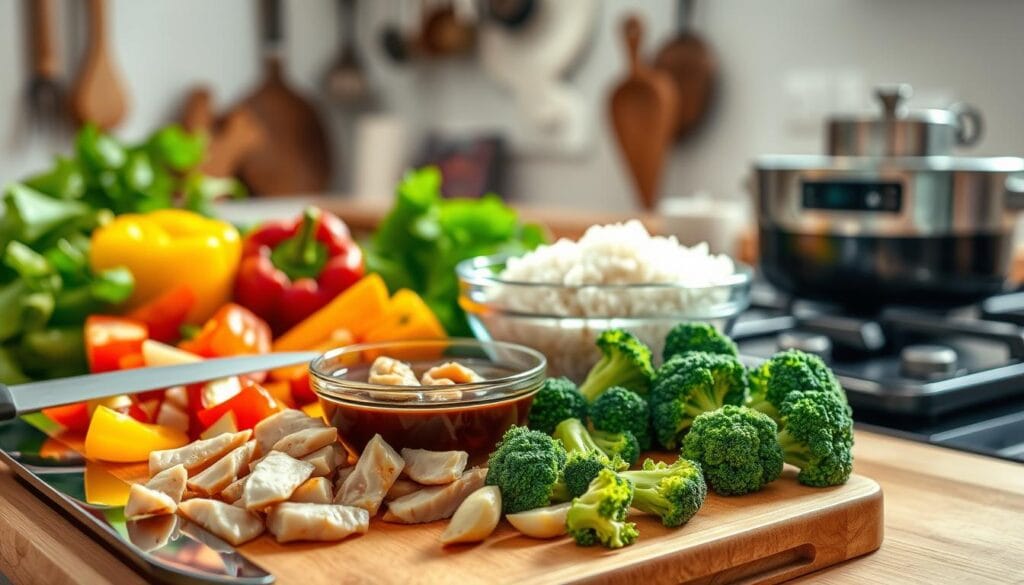
Preparation is key to making a quick and delicious meal that everyone will enjoy. Proper preparation begins with cutting both the meat and vegetables into uniform, bite-sized pieces. This step is essential for achieving even cooking, ensuring that no piece ends up overcooked or undercooked.
How to Cut Chicken and Vegetables Evenly
When you cut chicken into even strips or cubes of approximately one inch, you help each piece cook at the same rate. Slicing against the grain shortens the muscle fibers, resulting in a more tender texture that is easier to chew.
Vegetables should also be cut into similar-sized pieces. For instance, slice denser vegetables like carrots thinner so they cook in the same amount of time as softer vegetables like bell peppers. This uniformity is crucial for a well-cooked stir fry.
Simple Marinating Tips for Maximum Flavor (Alcohol-Free)
Having all your ingredients chopped and ready before you turn on the heat is essential. Stir frying moves very fast once the pan is hot. An alcohol-free marinade can be made by combining soy sauce, a small amount of cornstarch, and a pinch of white pepper. This mix seasons the chicken and helps it retain moisture.
You can also marinate the chicken in a mixture of chicken broth, soy sauce, and honey for about fifteen minutes. This infuses the meat with flavor before cooking. The cornstarch in the marinade creates a light coating that helps develop a slight crust when it hits the hot oil, protecting the meat from drying out.
Make sure to reserve any leftover marinade to add back into the pan later, but always bring it to a full boil to ensure it is safe to consume. Taking the time to prepare your ingredients properly means that when you start cooking, the entire dish comes together in about eight to ten minutes of active cooking time.
Cooking Your Chicken Stir Fry for Best Results
To achieve the best flavor and texture in your meal, mastering the cooking technique is essential. The method you choose can greatly impact the final dish. Understanding how to use high heat and the right pan will help you create a perfect stir fry.
Using High Heat and the Right Pan
Using high heat is essential for achieving the characteristic sear and slightly smoky flavor that defines an excellent stir fry. Do not be afraid to let your pan get very hot. The right pan for stir frying is a large, heavy-bottomed skillet or a wok. This type of pan distributes heat evenly and provides enough surface area to prevent overcrowding.
A pan that is at least twelve inches in diameter allows you to cook all the ingredients in a single layer, promoting browning rather than steaming. Heat the oil in the pan until it shimmers. A drop of water should sizzle away immediately upon contact, indicating that the pan is ready for the chicken.
Order of Adding Ingredients for Perfect Texture
The order of adding ingredients is critical. Start by cooking the chicken first until it is mostly done. Then, remove it or push it to the side before adding vegetables. Denser vegetables like broccoli, carrots, and bell peppers should go into the pan next, as they require more time to become crisp-tender.
Softer vegetables and leafy greens, such as bok choy leaves, spinach, or cabbage, should be added last. They only need a brief toss to wilt without becoming soggy. This careful sequencing ensures that every component retains its ideal texture, from juicy chicken to crisp vegetables.
Adding Aromatics and Nuts at the Right Time
Aromatics like minced garlic and grated ginger should be added after the chicken is nearly cooked. These ingredients can burn quickly and turn bitter if exposed to high heat for too long. Nuts such as cashews or almonds are best added along with the firmer vegetables. This allows them time to warm through and absorb some of the savory flavors from the pan.
Cooking your stir fry in the correct sequence guarantees that every ingredient contributes to a delicious, balanced dish. You will enjoy the perfect combination of textures and flavors in each bite.
| Cooking Element | Importance | Tips |
|---|---|---|
| High Heat | Creates a sear and smoky flavor | Let the pan get very hot before adding ingredients |
| Right Pan | Even heat distribution | Use a large, heavy-bottomed skillet or wok |
| Order of Ingredients | Ensures proper cooking | Add denser vegetables first, softer ones last |
| Aromatics | Add flavor | Include after chicken is nearly cooked |
| Nuts | Add crunch and flavor | Add with firmer vegetables |
Step-by-Step Instructions for the Chicken Stir Fry Recipe
Cooking a delightful stir fry is a straightforward process that yields fantastic results. Follow these simple steps to create a flavorful dish that your family will love.
Cooking the Chicken
Start by heating one tablespoon of oil in a large pan over high heat until it shimmers. This indicates that the pan is ready for cooking.
- Add the chicken pieces in a single layer. Let them cook undisturbed for about two minutes to develop a golden-brown crust.
- Stir the chicken frequently as it continues to cook. After about three to four minutes, when it’s mostly cooked through, add minced garlic and the white parts of green onions.
- Cook the garlic and green onions with the chicken for about one minute until fragrant. If your pan is small, transfer everything to a plate; if large enough, push it to the sides.
Stir Frying Vegetables
Next, it’s time to stir fry the vegetables. If needed, add another tablespoon of oil to the pan.
- Add firmer vegetables like bell peppers, broccoli, snap peas, and carrots. Stir constantly over high heat for about two to three minutes until they begin to soften but still retain a pleasant crunch.
- Then, add softer vegetables or leafy greens such as bok choy leaves, cabbage, or spinach. Toss them with two spatulas for about thirty seconds until they just begin to wilt.
Combining Sauce, Chicken, and Veggies
Now it’s time to bring everything together. If you removed the chicken earlier, return it to the pan with the vegetables.
- Give your prepared sauce a quick stir to redistribute any cornstarch that may have settled, then pour it evenly over the chicken and vegetables.
- Let the sauce come to a simmer and cook for about one to two minutes, stirring gently until it thickens into a glossy coating that clings beautifully to every piece.
Serving Suggestions to Complete Your Meal
Completing your meal with the right accompaniments can elevate your dining experience. Choosing the perfect sides and garnishes can make a significant difference in flavor and presentation. Here are some delightful options to consider when serving your chicken stir fry.
Best Rice and Noodle Options
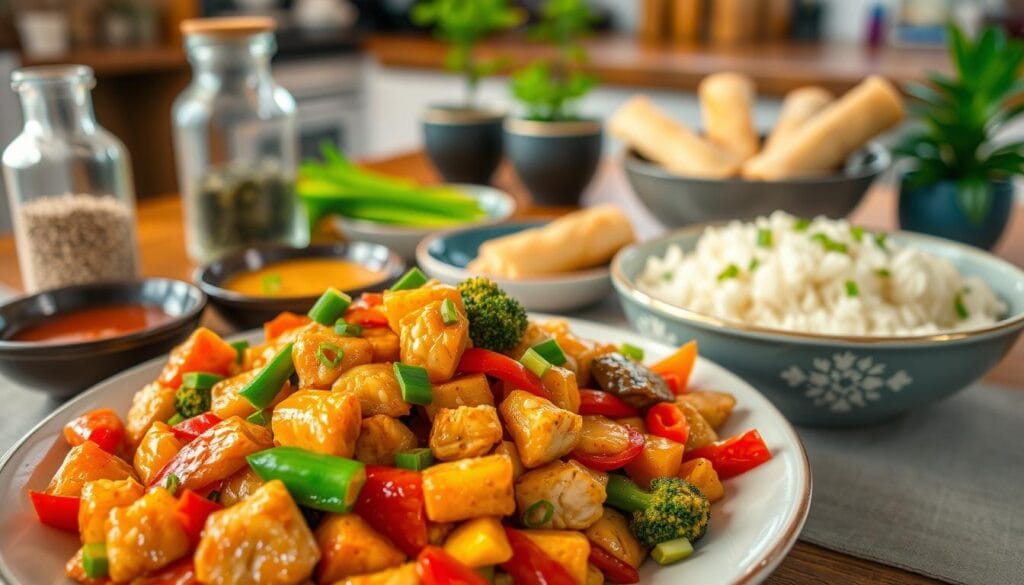
Serving your dish over a bed of steamed white rice is the classic choice. The fluffy grains soak up the savory sauce beautifully, making every bite satisfying.
Brown rice is an excellent whole-grain alternative. It adds a nutty flavor and extra fiber to your meal without overpowering the stir fry.
If you’re looking for a low-carb option, consider cauliflower rice. It absorbs the sauce just as well and keeps the dish light and healthy.
Asian-style noodles, such as rice noodles, soba noodles, or lo mein, are wonderful alternatives. They turn your stir fry into a hearty, complete meal.
Quinoa is another nutritious base. It provides protein and a slightly chewy texture that pairs surprisingly well with the tender chicken and crisp vegetables.
Optional Garnishes for Flavor and Presentation
Garnishing your chicken stir fry with sliced green onions adds a fresh, mild onion flavor. It also provides a pop of green that makes the dish look restaurant-worthy.
A sprinkle of toasted sesame seeds contributes a subtle crunch and a nutty aroma. This enhances the overall sensory experience of the dish.
You can feel free to add a handful of roasted cashews or peanuts on top for extra texture and a dose of healthy fats.
A light drizzle of toasted sesame oil just before serving amplifies the nutty notes in the dish without requiring any additional cooking.
For those who enjoy a bit of heat, consider offering a pinch of crushed red pepper flakes or a few slices of fresh chili on the side as an optional garnish.
How to Store and Reheat Leftovers Safely
Storing your leftover meal properly ensures you can enjoy a delicious second serving without losing flavor or texture. Follow these guidelines to keep your stir fry fresh and tasty.
Best Practices for Refrigerating Your Stir Fry
After enjoying your meal, allow the stir fry to cool to room temperature. However, don’t leave it out for more than two hours to maintain food safety. Transfer the cooled stir fry to an airtight container to prevent moisture loss and contamination.
Your stir fry will keep well in the fridge for up to three to four days. This makes it an excellent option for meal prep or planned leftovers. Keep in mind that the sauce may thin out slightly as the vegetables release moisture, but the flavor will remain just as delicious.
Tips to Reheat Without Overcooking
When you’re ready to enjoy your leftovers, the best method is to use a skillet or sauté pan over medium heat. This approach helps maintain the texture of the chicken and vegetables.
- Add a small splash of water or chicken broth to the pan when reheating. This will help revive the sauce and prevent the stir fry from drying out.
- Heat gently, stirring occasionally, just until warmed through. This avoids overcooking the chicken and making the vegetables mushy.
- If you must use a microwave, reheat in short intervals of thirty seconds, stirring in between. Stop as soon as the dish is hot.
- Freezing is possible but not ideal, as the texture of the vegetables may change upon thawing. If you do freeze, consume within three months for the best quality.
- Always thaw frozen stir fry overnight in the fridge rather than at room temperature. Reheat thoroughly in a hot pan until steaming.
Variations and Customizations for Your Chicken Stir Fry
Exploring the many ways to customize your meal can enhance both flavor and enjoyment. This dish is incredibly versatile, allowing you to swap ingredients based on what’s in season or what your family enjoys. With a few adjustments, you can create a unique version every time.
Vegetable Swaps for Seasonal or Dietary Preferences
One of the greatest strengths of this dish is its flexibility. You can use any vegetables you want, just add them based on how long they take to cook. For instance:
- In spring, consider adding asparagus and fresh peas.
- In the fall, hearty options like cauliflower and Brussels sprouts can add a seasonal twist.
- For a low-carb version, reduce or omit starchy vegetables like carrots and increase leafy greens or cruciferous options such as broccoli.
Protein Alternatives and Add-Ins Without Pork or Alcohol
If you want to experiment with protein alternatives while avoiding pork, consider:
- Thinly sliced beef that has been tenderized.
- Shrimp or firm tofu are excellent add-ins that cook quickly.
- For an extra protein boost, include a scrambled egg stirred into the dish at the end.
Adjusting Sauce Flavor for Sweet, Savory, or Spicy Tastes
Customizing the sauce is simple. You can:
- Add more honey for a sweeter profile.
- Increase the soy sauce for extra savory depth.
- Stir in chili paste for a spicy kick.
- Consider adding a tablespoon of hoisin sauce or oyster sauce for additional umami complexity, ensuring they are alcohol-free.
- For a nuttier flavor, use a small amount of toasted sesame oil in the sauce or as a garnish.
The beauty of this dish is that you can make it slightly different every time, ensuring it never becomes boring and always suits your current cravings.
Conclusion
You now have everything you need to create a delicious, wholesome dish that comes together quickly and satisfies everyone at the dinner table. This recipe proves that you do not need pork or any alcoholic ingredients to achieve deep, complex flavors in a homemade stir fry.
By mastering the simple techniques of high-heat cooking, proper ingredient preparation, and a well-balanced alcohol-free sauce, you can make a meal that rivals any restaurant dish.
The flexibility of this recipe means you can adapt it to your family’s tastes and whatever ingredients you have on hand. You will find that this easy dish becomes a regular part of your weekly meal rotation, saving you time and reducing the temptation to order takeout.
So gather your ingredients, heat up your pan, and enjoy the process of creating a vibrant stir fry that your whole family will love!
FAQ
What are the best types of chicken to use for this dish?
Can I use frozen vegetables in my stir fry?
How can I make the sauce thicker?
What oil is best for cooking at high heat?
How do I store leftovers properly?
Can I customize the vegetables in my stir fry?
How long does it take to cook a stir fry?
What can I serve with my stir fry?
Before trying your next meal, explore more easy and delicious recipes on QuickEatsHub, where you’ll find a variety of family-friendly dishes, healthy meal ideas, and simple cooking inspiration. To ensure your meals are prepared safely, it’s also a good idea to review the latest food handling, cooking, and storage recommendations available from FoodSafety.gov. Combining great recipes with proper food safety practices helps create meals you can enjoy with confidence.