
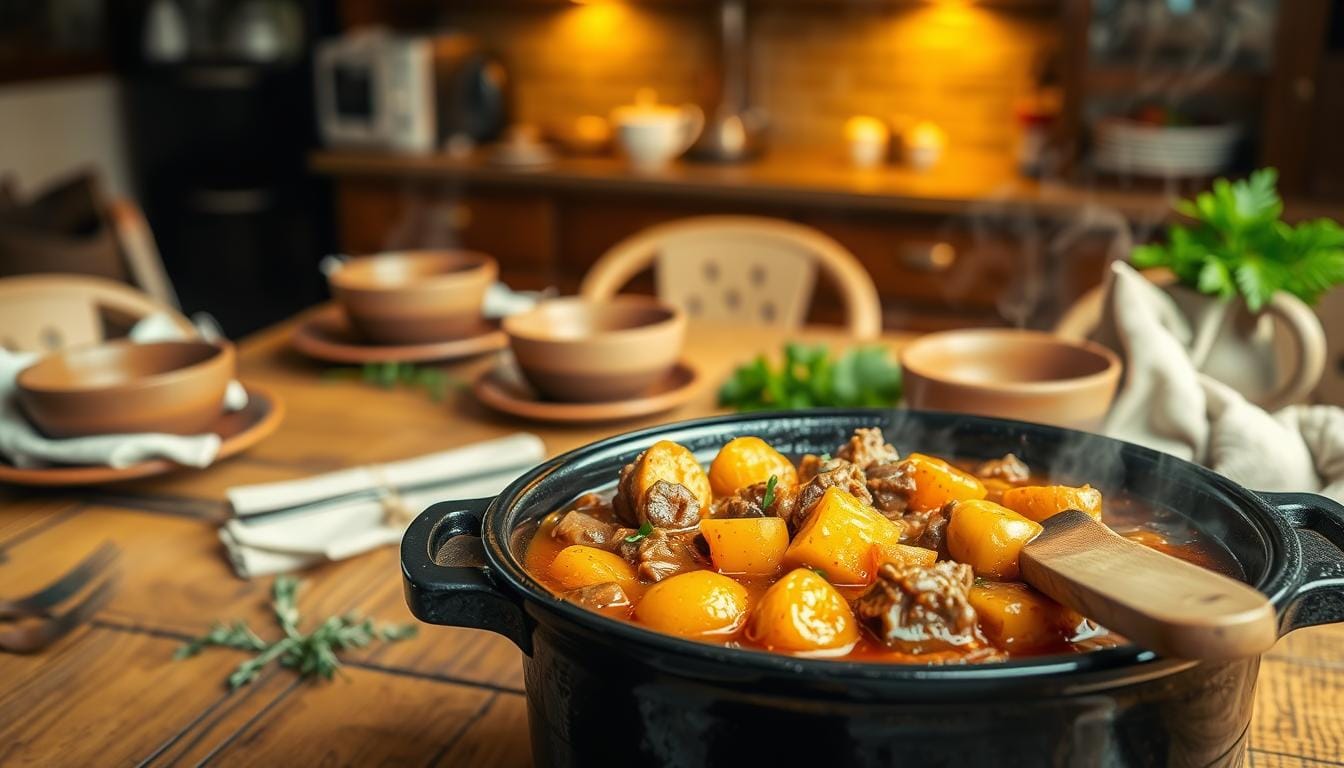
Imagine coming home after a long day, greeted by the comforting aroma of a hearty meal simmering away. This feeling of warmth and satisfaction is what a classic beef stew brings to your kitchen. It’s more than just a dish; it’s a nostalgic reminder of family gatherings and cozy nights in.
This recipe is designed to deliver that same heartwarming experience without the use of pork or alcohol-based ingredients. You can enjoy rich, layered flavors while accommodating various dietary needs. The tender meat, paired with vibrant vegetables like carrots and potatoes, creates a delightful balance that makes each bite a pleasure.
As you explore this recipe, you’ll discover techniques that enhance the flavor and texture, ensuring your stew stands out. From browning the meat to the careful layering of aromatics, every step is a building block for a comforting meal. So, let’s dive into the art of creating a timeless dish that warms the soul.
Table of Contents
Understanding Slow Cooker Beef Stew and Why It’s Ideal for You
There’s nothing quite like the anticipation of a warm meal waiting for you after a busy day. Cooking a classic dish in a slow cooker is almost entirely hands-off. It takes hardly any effort while allowing those deliciously deep and rich flavors to develop.
The secret lies in the time. Typically, you can expect to cook this hearty dish for about 6 to 7 hours on LOW or 3 to 4 hours on HIGH. Cooking on the low setting allows flavors to meld beautifully, creating a truly satisfying experience.
Here are some reasons why this method is perfect for you:
- Science of Slow Cooking: The process breaks down collagen in cuts like chuck roast, transforming tough meat into succulent bites.
- Ideal for Busy Cooks: This method is perfect for those who want a hearty meal with minimal active preparation time.
- Flavor Development: Cooking low and slow allows garlic, onion, herbs, and broth to blend into a deeply satisfying dish.
- Hands-Off Cooking: You can focus on other tasks while your meal simmers to perfection over several hours.
- No Pork or Alcohol: This recipe is free from pork products and alcohol, catering to various dietary needs without sacrificing flavor.
- Cooking Settings: Understand how LOW versus HIGH settings impact the texture of meat and vegetables.
- Reheating Benefits: Beef stew often tastes even better when reheated, as flavors continue to develop overnight.
- Consistent Heat: The gentle heat prevents the broth from reducing too quickly, ensuring a plentiful, flavorful gravy.
- Meal Prep Friendly: This method is perfect for making large batches for leftovers or freezing.
- Affordable Ingredients: The slow cooker turns simple ingredients into a restaurant-quality dish your family will love.
Key Ingredients for a Flavorful Slow Cooker Beef Stew
To create a memorable stew, you must focus on the essential ingredients that bring it to life. Each component plays a vital role in crafting a dish that is not only hearty but also bursting with flavor.
Choosing the Right Beef Cut
Beef chuck roast is the superior choice for this dish. It offers an ideal balance of meat, fat, and connective tissue. This combination breaks down beautifully during cooking, resulting in tender, flavorful bites.
When selecting your chuck roast, look for a well-marbled cut. Trim any excess fat to prevent a greasy broth while keeping enough for richness. If chuck roast isn’t available, you can use beef stew meat, but it may not be as tender.
Vegetables That Build Heartiness and Texture
Yukon gold potatoes or baby gold potatoes are excellent choices for this recipe. They add heartiness and a creamy texture that holds up well during long cooking hours without disintegrating.
Carrots and celery contribute natural sweetness and aromatic depth, balancing the savory notes of the beef and broth. Don’t forget the essential aromatics: onion and garlic. They form the flavor foundation of any great stew, releasing their pungent, sweet notes as they cook.
Flavor Boosters Without Alcohol or Pork
To enhance the flavor without using any pork or alcohol products, consider alcohol-free balsamic vinegar and tomato paste. These ingredients add brightness, acidity, and a rich umami quality to your dish.
For a tangy, savory punch, look for compliant Worcestershire sauce alternatives that are free from anchovies and alcohol. This keeps your recipe both pork-free and alcohol-free.
Using quality beef broth as the liquid base is crucial. It intensifies the meaty flavor far better than water alone. Optional flavor boosters like star anise can add a subtle, mysterious depth, while dried herbs like thyme or Italian seasoning provide earthy notes.
Every ingredient in this stew is chosen to maximize flavor without relying on pork products or alcohol, making it inclusive and versatile.
Preparing Your Beef: Seasoning and Browning for Maximum Flavor
A well-seasoned piece of meat can elevate your dish to new heights of flavor. Properly preparing your meat is essential for achieving a hearty and satisfying meal. In this section, you will learn how to season and brown your meat to create a delicious base for your dish.
How to Season the Meat Properly
Start by combining flour, salt, pepper, onion powder, and Italian seasoning in a large zip-top bag. This mixture will coat the meat evenly, enhancing its flavor.
Add your chosen meat to the bag and shake until it is well coated. This technique not only adds flavor but also helps create a beautiful crust when you brown the meat.
The Importance of Browning Beef Before Slow Cooking
Browning your meat is a crucial step that adds depth to your dish. In a large skillet over medium-high heat, add a couple of tablespoons of cooking oil. Make sure the oil is hot before adding the meat. This step should take about one minute per side.
Work in batches to avoid overcrowding the skillet, which can lead to steaming instead of searing. The Maillard reaction that occurs during browning creates complex, savory flavors that enhance your dish significantly.
After browning, you will notice the delicious browned bits, known as fond, left in the skillet. These bits are the foundation for a flavorful deglazing step later on.
While you can skip this step if you’re in a hurry, taking those extra minutes transforms a good dish into an exceptional one. Remember, the meat does not need to be cooked through at this stage; the slow cooking will finish the job.
This browning technique aligns perfectly with the recipe’s inclusive approach, using only oil and dry seasonings, with no pork fat or alcohol-based ingredients.
Preparing Your Vegetables and Aromatics
A hearty meal begins with the proper handling of fresh vegetables and aromatics. These ingredients are crucial for creating a flavorful dish that warms the soul. In this section, you will learn how to wash, peel, and chop your vegetables effectively, ensuring even cooking and a delightful texture.
Washing, Peeling, and Chopping
Start by washing all your vegetables thoroughly to remove any dirt or impurities. For potatoes, you can peel and chop Russet potatoes or use baby potatoes with the skin on, cutting them in half. This method not only saves time but also retains nutrients.
If you’re following a paleo, low carb, or keto diet, consider substituting turnips for potatoes. For those who prefer sweet potatoes, pumpkin is a great alternative for low carb or keto options. Carrots should be peeled and sliced; however, if you’re on a strict low carb or keto diet, you can omit them altogether.
Chop celery ribs into small pieces and cut the onion into large chunks. Mince the garlic to ensure its flavor is evenly distributed throughout the dish. This preparation method helps the vegetables cook uniformly, enhancing the overall taste.
For make-ahead prep, chop your carrots and celery the day before and store them in a zip-top bag in the fridge. To prevent potatoes from browning, peel and chop them, then store them in a zip-top bag in the freezer. This technique also keeps onion odors from spreading in your refrigerator.
Substitutions for Special Diets
Understanding dietary needs is essential for making this dish inclusive. Here are some practical substitutions:
| Ingredient | Standard | Paleo/Low Carb/Keto |
|---|---|---|
| Potatoes | Russet or baby potatoes | Turnips or pumpkin |
| Carrots | Regular carrots | Omit or use zucchini |
| Sweet Potatoes | Sweet potatoes | Pumpkin |
| Onion | Large chunks | Same |
| Garlic | Mince | Same |
These substitutions maintain the heartiness and texture of your dish while accommodating various dietary lifestyles, including gluten-free, Whole30, paleo, and keto. Remember, all vegetable preparation for this recipe is completely free of pork products and alcohol-based ingredients, staying true to the recipe’s core principles.
Building Flavor: Combining Ingredients Without Wine or Pork Products
Creating a depth of flavor in your meal using alternative ingredients that cater to various dietary needs is key. After browning the meat, it’s time to elevate the dish with aromatic ingredients and sauces that enhance the overall taste without relying on traditional options like wine or pork.
Using Alcohol-Free Balsamic Vinegar and Tomato Paste
To start, put the uncleaned skillet back on the stove. Add chopped onions and minced garlic, sautéing for a minute or two. Next, introduce alcohol-free balsamic vinegar and tomato paste. Heat these until just hot enough to deglaze the pan, which should take about one minute. This step lifts all the flavorful browned bits from the bottom, incorporating them into your dish.
Balsamic vinegar provides the acidity and subtle sweetness that wine typically contributes, making it a perfect alternative. Meanwhile, tomato paste adds concentrated umami, rich color, and body to the broth, creating a deeply satisfying base for your meal.
Worcestershire Sauce Alternatives
When it comes to Worcestershire sauce, look for homemade Whole30 compliant versions or specific compliant brands available in stores. These alternatives are free from alcohol and anchovies, ensuring your dish remains inclusive.
Combining these flavor-building ingredients with sautéed onions and garlic creates a powerful aromatic foundation that rivals any wine-based dish. You can also layer flavors by adding dried herbs like Italian seasoning, thyme, or rosemary, along with a bay leaf during the slow cooking process.
For an optional touch, consider adding a single star anise to the slow cooker. This ingredient infuses the broth with a subtle, warm complexity without overpowering the other flavors. Each step in this recipe is designed to be completely free of pork products and alcohol, making it suitable for a wide range of dietary needs.
Ultimately, the combination of beef broth, balsamic vinegar, tomato paste, and compliant Worcestershire sauce creates a robust, savory profile that shines without the need for traditional ingredients. With these techniques, you can build restaurant-quality flavor in your home kitchen using simple, accessible ingredients.
Step-by-Step Guide to Cooking Your Slow Cooker Beef Stew
The excitement of a delicious meal simmering away in your kitchen is truly unmatched. To achieve the perfect dish, follow this clear guide for layering ingredients and setting your slow cooker.
Adding Ingredients to Your Slow Cooker
Begin by transferring the browned meat into a large 6-quart slow cooker. Next, add your hearty ingredients:
- Potatoes
- Sweet potato
- Carrots
- Celery
- Worcestershire sauce
- Italian seasoning
- Bay leaf
- Beef broth
- Optional star anise
Stir the mixture to combine all the ingredients evenly. If the liquid does not cover the vegetables, add water—only as much as needed.
Cooking Times and Settings
Set your slow cooker to cook on LOW for 5 to 7 hours or on HIGH for 3 to 4 hours. The LOW setting is preferred, as it allows the flavors to meld beautifully and the meat to become exceptionally tender. Cooking times may vary based on how hot your slow cooker runs, but the sweet spot is typically between 6 to 7 hours on LOW for the best flavor development.
Mid-Cook Stirring and Checking Liquid Levels
About halfway through the cooking time, stir your stew gently. This helps distribute heat evenly and allows you to check the liquid levels. Ensure the vegetables remain just covered; if they begin to peek above the liquid, add a little water to maintain the right consistency.
To check for doneness, use a fork to test the tenderness of the potatoes and meat. Adjust the cooking time as necessary based on your specific slow cooker model. Before serving, remember to remove and discard the bay leaf and star anise to avoid any unexpected bites of whole spices.
With these steps, you can adapt cooking times to fit your schedule while still achieving a perfectly cooked, flavorful dish every time.
How to Thicken Your Slow Cooker Beef Stew Perfectly
Thickening your dish can elevate its texture and richness, making every bite more satisfying. There are various methods to achieve that perfect consistency, whether you prefer a simple slurry or alternative thickeners. Let’s explore how to thicken your dish effectively, ensuring it remains delicious and hearty.
Making and Adding a Flour or Starch Slurry
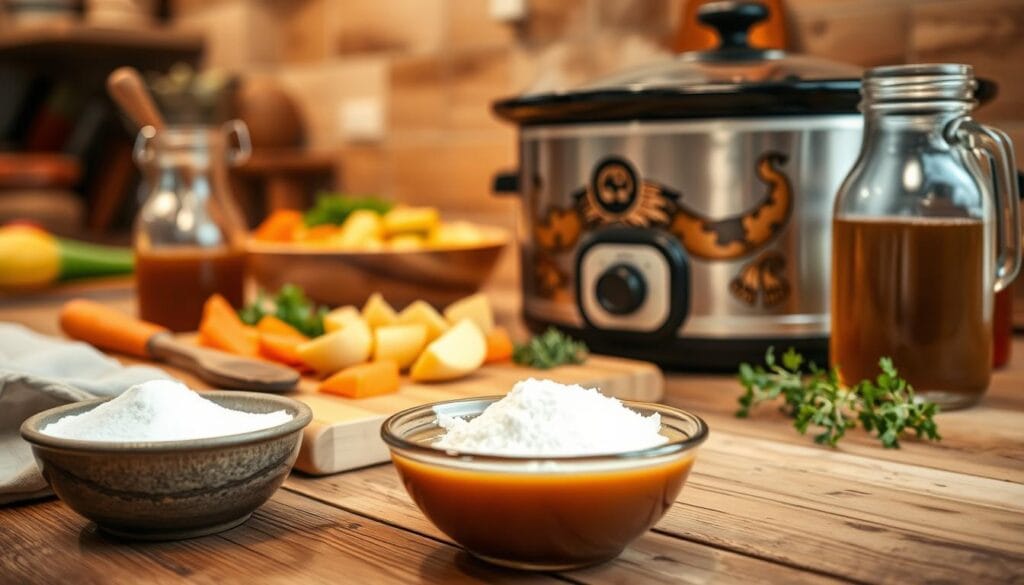
One of the easiest ways to thicken your dish is by creating a slurry. To do this, whisk together 2 tablespoons of flour (you can use all-purpose, cornstarch, or gluten-free flour) with 3 tablespoons of cool water in a small bowl until smooth. This method prevents lumps from forming when added to the hot mixture.
Once your slurry is ready, stir it into the slow cooker 20 to 30 minutes before serving. Set your cooker to HIGH, and the dish should thicken nicely within that time frame. If you find that it hasn’t thickened as expected, you can transfer the mixture to a large pot and heat it on the stove to bring it to a simmer.
Alternative Thickening Methods
If you’re looking for options that cater to specific dietary needs, consider these alternatives:
- Arrowroot Powder: Use 2 teaspoons for a paleo or Whole30-friendly thickener.
- Xanthan Gum: For a keto or low-carb option, add 1 to 2 teaspoons to achieve a thicker consistency.
- Natural Thickening: Remember that the starches from potatoes and the flour coating on the meat during browning already contribute to the body of your dish, reducing the need for excessive thickeners later.
Another benefit is that the dish will naturally thicken when refrigerated overnight, as the starches continue to work. This means you can enjoy a richer texture even without the slurry if you prepare it in advance.
Lastly, always use cool water when making a slurry. Hot water can cause the starch to clump, leading to an uneven texture. With these techniques, you can confidently achieve the perfect gravy consistency for your dish, whether you prefer it lightly thickened or rich and velvety.
All methods described are free from pork products and alcohol, aligning with the inclusive approach of this recipe. Now, you can enjoy a hearty meal that fits your dietary preferences without sacrificing flavor!
Make-Ahead and Storage Tips for Your Slow Cooker Beef Stew
Preparing your ingredients ahead of time allows for a more relaxed cooking experience. This not only saves you time but also enhances the flavors of your dish. Let’s explore some effective strategies for meal prep and storage.
Preparing Ingredients in Advance
Start by chopping your carrots and celery the day before. Store them in zip-top bags in the refrigerator. This small step can save you precious time on cooking day.
Next, peel and chop your potatoes and onions. Store these in a zip-top bag in the freezer to prevent browning and keep them fresh. Cutting your beef into chunks and storing it in zip-top bags in the fridge is also a great idea.
Proper Refrigeration and Freezing Techniques
After cooking your stew, allow it to cool completely. Transfer it to airtight containers for refrigeration. This dish can last up to three days in the fridge. Interestingly, the flavors often improve when made at least one day ahead.
If you plan to freeze your stew, do so in containers that allow for expansion. Stews can be frozen for up to three months. However, consider omitting potatoes before freezing. They can become soft and grainy upon thawing. Instead, add freshly cooked potatoes when reheating.
Freezing Considerations for Potatoes and Thickening Agents
When it comes to thickening agents like flour or cornstarch slurry, add these only after reheating. This prevents separation and texture issues. To thaw frozen stew, place it in the refrigerator overnight. Reheat gently on the stovetop or in your slow cooker on LOW.
These straightforward storage and freezing techniques require no special equipment. With these tips, you can efficiently meal prep and store your beef stew, ensuring you always have a hearty, ready-to-heat meal on hand.
Serving Suggestions: Pairing Your Beef Stew for a Complete Meal
A delightful meal is best enjoyed with the right accompaniments that enhance its flavors. Pairing your hearty dish with thoughtful sides elevates the entire dining experience. Here are some classic sides and presentation tips to make your meal memorable.
Classic Sides to Complement Your Stew
Discover classic side dishes that perfectly complement your hearty meal:
- Crusty Bread: A warm, crusty loaf is perfect for soaking up every drop of the rich gravy.
- Homemade Rolls or Cornbread: These comforting options add a hearty element to your meal without any pork products.
- Frozen Peas: Add these vibrant green peas during the last 20 minutes of cooking for a burst of color and sweetness.
- Simple Green Salad: A fresh salad can balance the richness of your dish, providing a refreshing contrast.
Garnishes and Presentation Tips
Enhance the visual appeal of your meal with these simple garnishing tips:
- Fresh Chopped Parsley: A sprinkle of parsley brightens the presentation and adds a touch of freshness to each bowl.
- Wide, Shallow Bowls: Serve your stew in wide bowls to showcase the tender chunks of meat, potatoes, and carrots in the glossy broth.
- Thoughtful Pairings: Consider serving alongside roasted vegetables or steamed green beans for a complete meal.
Additionally, leftover stew can be transformed into a delicious soup by adding extra broth and fresh vegetables for a second meal. All these serving suggestions are free of pork and alcohol, maintaining the integrity of the original recipe.
Common Mistakes to Avoid for the Best Slow Cooker Beef Stew
Cooking a hearty dish like this requires attention to detail. By avoiding common mistakes, you can ensure that your meal turns out flavorful and satisfying. Here are some pitfalls to watch out for:
Skipping Browning the Meat
One of the most frequent mistakes is skipping the browning step. This crucial process adds depth and richness to your dish. Without it, your stew can taste flat and one-dimensional. The caramelized bits left in the pan contribute to the overall flavor profile.
Additionally, overcrowding the skillet during browning can lead to steaming instead of searing. Always work in batches to achieve that beautiful crust on your meat.
Overcooking or Under-seasoning
Overcooking can turn your vegetables mushy and dry out the meat. Aim for a cooking time of about 6 to 7 hours on LOW. Be mindful of the heat setting, as rushing the process can sacrifice flavor.
Another common issue is under-seasoning. Always taste and adjust with salt and pepper at the end of cooking. Sometimes, a little extra seasoning is all it needs to bring the flavors together.
Remember, this recipe is designed to be free from wine or pork products. Adding these can alter the intended taste profile and detract from the dish’s richness.
- Learn why skipping the browning step leads to a flat stew lacking depth.
- Understand the consequences of overcrowding the skillet, which can prevent proper searing.
- Discover how overcooking can ruin the texture of your vegetables and meat.
- Find out why under-seasoning is a pitfall and how to balance flavors.
- Recognize that using the wrong cut of meat can result in tough, chewy pieces.
- Avoid the temptation to add wine or pork products, as this recipe thrives without them.
- Check liquid levels mid-cook to prevent drying out or excess water.
- Don’t forget to discard the bay leaf and star anise before serving.
- Patience is key; rushing the cooking process sacrifices flavor.
By being aware of these common mistakes, you can troubleshoot effectively and ensure your slow cooker beef stew turns out perfectly every time. For more insights, check out this guide on common cooking mistakes.
Conclusion
There’s a special joy in knowing that a hearty meal awaits you at the end of a long day. This slow cooker beef stew recipe brings together simple, wholesome ingredients to create a deeply satisfying dish that is free from pork and alcohol.
Its versatility allows you to adapt it for various diets, including gluten-free, paleo, and keto, making it a fantastic choice for everyone. Plus, the flavors improve if made a day ahead, making it perfect for busy families.
Feel confident in your ability to recreate this classic comfort food using the techniques shared throughout this guide. You can look forward to experimenting with different vegetables and sides to make this recipe your own.
Ultimately, this stew can become a staple in your home, providing warmth and comfort during chilly weather and busy weeknights. Enjoy the time-saving benefits of the slow cooker while sharing this delicious recipe with friends and family!