

Steve Jobs once said, “Your work is going to fill a large part of your life, and the only way to be truly satisfied is to do what you believe is great work.” Starting an organic food business ideas low budget can be very rewarding. This is because more and more people want organic products. With the right plan, you can take advantage of this trend.
You don’t need a lot of money to start a successful organic food business. There are many low-budget ideas to get you going. For example, you could offer organic meal prep, organic produce delivery, or start an organic snack business. These options let you start small while still meeting the demand for organic foods.
Table of Contents
Understanding the Organic Food Market
More people want healthier and sustainable food options. This change is not just a passing trend. It’s a big move towards eating more mindfully.
Trends Influencing Organic Food Choices
Several trends shape the organic food market. Plant-based diets are becoming more popular. People are eating less meat and choosing plant-based foods instead.
There’s also a big push for locally sourced products. Consumers want to know the environmental impact of their food. They prefer products that are good for the planet.
Another trend is the focus on food sustainability. People want food that’s healthy for them and the planet. They look for products with minimal packaging and sustainably sourced ingredients.
Benefits of Choosing Organic
Choosing organic food has many benefits. Organic farming is better for the environment than traditional farming. Organic products have lower levels of pesticides and chemicals, making them healthier.
Organic farming also helps local economies and supports biodiversity. By choosing organic, consumers support a fairer food system. This system cares for people and the planet.
Target Demographics for Organic Products
The main group for organic products are health-conscious consumers. They value their health and are willing to pay more for quality. This group includes young families and those with more money to spend.
Environmentally aware consumers are also key. They want to lessen their environmental impact and support green practices. Knowing who these consumers are is vital for businesses in the organic food market.
Starting an Organic Community Garden
If you’re looking for a low-cost organic food business opportunity, consider starting a community garden in your neighborhood.
Community gardens offer a space for people to grow their own organic produce. They also serve as a hub for community activity and education on sustainable living practices.
Establishing Your Garden
To start, find a suitable location for your garden. Look for a spot that gets enough sunlight and has water access. Community involvement is key, so engage with your neighbors and local organizations to garner support and participation.
- Secure a location for your garden, either through renting or leasing land.
- Organize a team of volunteers to help with the initial setup.
- Plan the garden layout to maximize space and accessibility.
Securing Funding and Resources
Starting a community garden requires some initial investment. Explore grants and crowdfunding options to support your project. Local businesses and community organizations may also be willing to donate materials or services.
- Research available grants for community gardens and organic farming initiatives.
- Use crowdfunding platforms to raise funds from a large number of people.
- Reach out to local nurseries, hardware stores, and other businesses for potential donations.
Collaborating with Local Organizations
Partnering with local schools, non-profits, and community groups can enhance your garden’s impact. These collaborations can lead to workshops, educational programs, and community events that foster a sense of community.
By working together, you can create a thriving organic community garden that benefits everyone involved.
Launching an Organic Meal Prep Service
More people want eco-friendly food options. An organic meal prep service can meet this need. It offers healthy, easy meals that are good for the planet.
Identifying Your Niche Market
To do well, pick a specific area in the meal prep market. You could focus on vegan, gluten-free, or keto diets. Or, target busy people, athletes, or families wanting healthy meals.
Key considerations for your niche market include:
- Demographic characteristics
- Dietary preferences and restrictions
- Lifestyle and fitness goals
Creating Budget-Friendly Meal Plans
It’s important to make organic meals affordable. Buy ingredients from local farmers and use seasonal produce. This helps cut down on waste.
Tips for budget-friendly meal planning:
- Source ingredients locally and seasonally
- Design meals that use similar ingredients to reduce waste
- Offer flexible subscription plans to accommodate different budgets
Marketing Your Meal Prep Service
Good marketing is essential to get and keep customers. Use social media to show off your meals and share what others say about them. Work with local businesses and join community events to spread the word.
Marketing strategies to consider:
- Social media campaigns highlighting organic and sustainable practices
- Partnerships with local gyms, yoga studios, and wellness centers
- Influencer marketing targeting health-conscious individuals
Selling Organic Produce at Farmers Markets
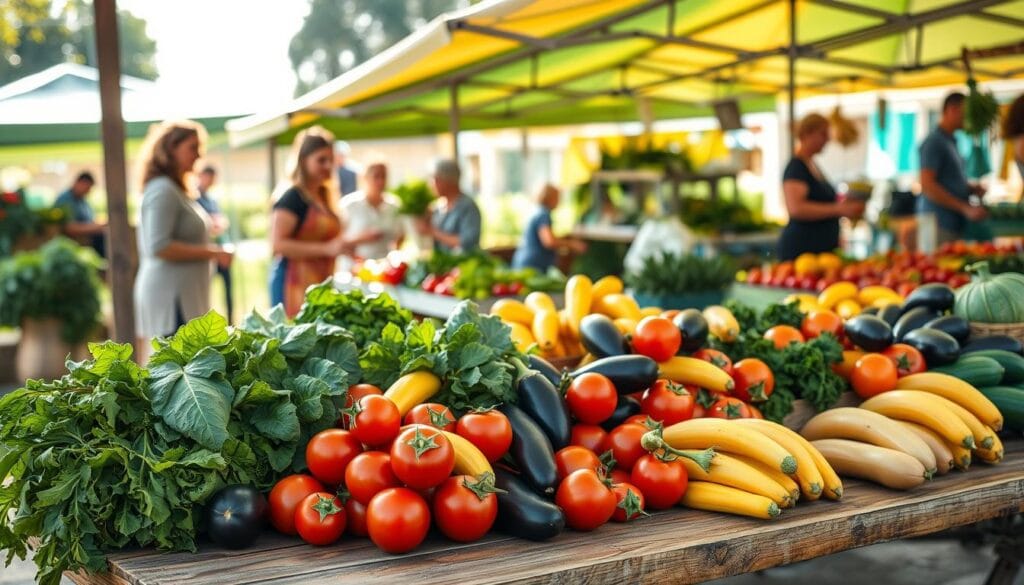
Farmers markets are a great way for organic farmers to meet customers face-to-face. This direct sales method helps you build a loyal customer base. It also boosts your profits by cutting out middlemen.
Selecting the Right Farmers Markets
Look for local farmers markets with a high demand for organic produce. Think about the market’s foot traffic, who shops there, and how much competition there is.
Best Practices for Display and Sales
Make your produce stand out with attractive displays. Use baskets, stands, and signs to draw people in. Make sure your produce is fresh and top-quality to keep customers coming back.
Engaging with Customers Effectively
Learn everything about your produce, like where it comes from and its health benefits. Talk to customers, ask about their preferences, and suggest recipes or samples.
| Aspect | Tips |
|---|---|
| Market Selection | Research customer demographics and competition |
| Display | Use attractive displays and ensure freshness |
| Customer Engagement | Be knowledgeable and offer samples |
Home-Based Organic Snack Business
Starting a home-based organic snack business is flexible. It lets you innovate and meet the growing demand for organic snacks. You can begin with little money and work on your products and brand from home.
Crafting Unique Organic Snack Recipes
Creating unique organic snack recipes is key to standing out. Use organic ingredients and try new flavors. Make snacks that taste great and are good for you.
Here are some tips for starting:
- Choose organic and local ingredients.
- Try new spice and flavor mixes.
- Make snacks for special diets like gluten-free or vegan.
Packaging and Branding at Home
Good packaging and branding are crucial. You can make your product look professional from home. This helps your brand stand out.
For packaging and branding, consider these tips:
| Aspect | Description | Tips |
|---|---|---|
| Label Design | Attractive and informative labels | Use eco-friendly materials and clear branding. |
| Packaging Materials | Durable and sustainable options | Opt for biodegradable or recyclable materials. |
| Brand Story | Narrative that connects with customers | Share your mission and values clearly. |
Utilizing Online Platforms for Sales
Online platforms are a big market for your snack business. Use e-commerce sites and social media to reach more people.
Key strategies for online sales include:
- Make your online store engaging with clear product info.
- Use social media for marketing and talking to customers.
- Advertise online to find new customers.
By focusing on unique recipes, branding, and online sales, you can build a successful snack business. It will meet the growing need for organic products.
Organic Subscription Box Service
Starting a subscription box service for organic products is a great idea now. It offers a steady income and lets you pick organic items that people like. You can choose from a wide range of products to meet different tastes.
Curating Products for Your Box
Choosing the right products is key to your box’s success. Look for items from local organic farms and artisans. They offer unique, eco-friendly foods. Include things like organic snacks, specialty teas, and homemade condiments to please everyone.
Key considerations for product curation:
- Sourcing products from local organic farms and artisans
- Including a variety of organic and eco-friendly products
- Ensuring product freshness and quality
Pricing Strategies for Subscription Boxes
Setting the right price for your box is important. You must balance the cost of products, packaging, and shipping. Make sure your price is good for customers. Offer different plans, like monthly or quarterly, to fit what people want.
| Subscription Plan | Price | Features |
|---|---|---|
| Monthly | $50 | 5 curated organic products, free shipping |
| Quarterly | $140 | 15 curated organic products, free shipping, exclusive discounts |
Marketing Your Subscription Service
Good marketing is essential for your organic box service. Use social media to show off your products and talk to potential customers. Work with influencers in organic and eco-friendly fields to help promote your service.
Marketing strategies to consider:
- Social media marketing
- Influencer collaborations
- Email marketing campaigns
Starting an Organic Food Blog or Vlog
Digital media has made it easy to start an organic food blog or vlog. This way, you can share your love for eco-friendly eating. You also have the chance to make money while doing it.
Creating Compelling Content
To grab your audience’s attention, make sure your content is top-notch. Share recipes with organic ingredients, review organic products, or give tips on organic gardening. Try different formats like written recipes, video tutorials, or podcast-style interviews with organic food experts.
For tips on making your content look good, check out typography resources. They can help improve your blog or vlog’s look.
Monetization Strategies for Your Platform
Once you have a big following, you can start making money. Here are some ways:
- Advertising: Work with brands that fit your organic food values.
- Sponsorships: Partner with companies to promote their stuff.
- Affiliate Marketing: Make money by promoting other products.
Looking for more organic food business ideas? Check out organic food business ideas. They can help you mix up your content and make more money.
Building an Audience Through Social Media
Social media is key for growing your audience. Share your stuff on Instagram, Facebook, and Twitter. This way, you can reach more people. Talk to your followers, host contests, or make interactive content to build a strong community.
By using these tips, you can start and grow your organic food blog or vlog. Turn your passion into a real business.
Partnering with Local Organic Farms
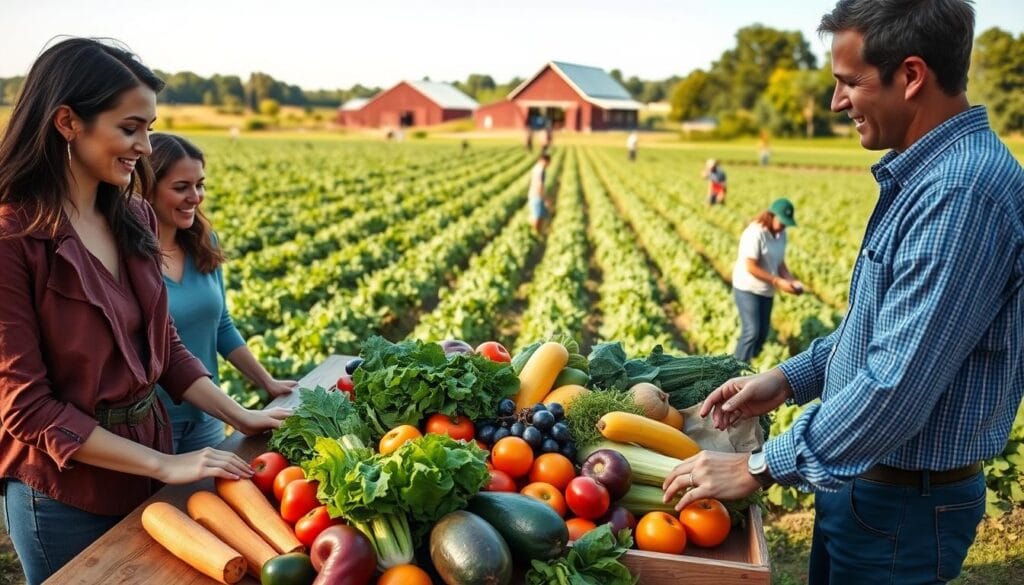
For a successful low-cost organic food business, think about working with local organic farms. This partnership can boost your business by offering fresh, quality organic produce. It also helps the local economy.
Types of Partnerships to Consider
There are many partnerships you can explore with local organic farms. You might discuss a direct supply agreement. This means you agree to buy a set amount of produce at a fixed price.
Another choice is a community-supported agriculture (CSA) program. Here, customers pay for a season’s produce upfront. This gives you a steady income.
You can also try co-branding initiatives. This is when you and the farm promote each other’s products. It can help you reach more customers. For more marketing tips, check out this resource on marketing for organic.
Benefits of Local Sourcing
Local sourcing has many advantages. It reduces carbon footprint because produce travels shorter distances. This is good for the environment and appeals to eco-conscious consumers.
Locally sourced produce is also fresher and of better quality. This makes your organic food business more attractive.
By supporting local farms, you help the local economy. You also keep agricultural traditions alive in your community. This can attract customers who want to support local businesses.
Promoting Farm-to-Table Practices
Highlighting farm-to-table practices can be a strong marketing strategy. It shows the direct link between the farms and your products. This appeals to customers who value transparency and sustainability in their food choices.
Think about hosting events or workshops to show the farm-to-table process. This educates your customers about the benefits of organic, locally sourced produce. It builds trust and loyalty among your customers.
Educating Your Community About Organic Foods
Talking to people about organic foods can boost demand for your business. By sharing the good things about organic, you can build a loyal customer base. This helps make our food system better for the planet.
Workshops and Seminars
Hosting workshops and seminars is a great way to teach about organic foods. Invite experts to talk about things like sustainable farming and healthy eating. This not only educates people but also helps your business grow.
School and Organization Collaborations
Working with local schools and groups can help you reach more people. You can create educational programs or join existing ones to promote organic foods. This builds a community that supports eco-friendly food choices.
Online Education Platforms
Using online platforms is another smart way to educate. You can make webinars, videos, or social media posts about organic foods. This lets you reach more people and grow your business.