
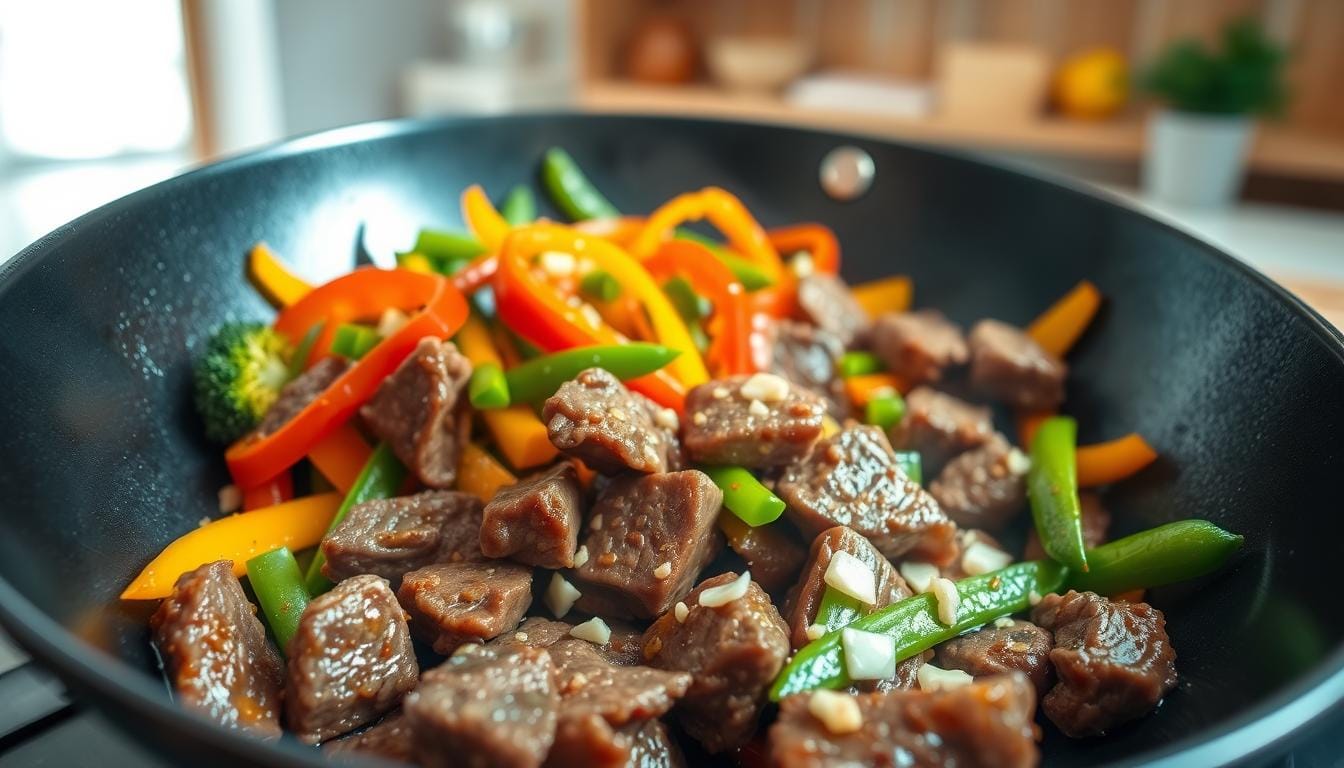
Imagine walking into your kitchen after a long day, the clock ticking down, and you need a meal that satisfies. This beef stir fry brings together vibrant vegetables and tender meat in a way that feels both comforting and exciting. It’s not just about filling your stomach; it’s about creating a moment of joy with every bite.
Over the years, this dish has transformed into a staple for many families, proving that a delicious meal doesn’t have to take hours. In just 30 minutes, you can enjoy a flavorful, glossy sauce that coats every piece of meat and vegetable, bringing them to life. The secret? A simple technique that ensures your beef remains succulent and never chewy.
Whether you’re cooking for yourself or loved ones, this meal is a canvas for creativity. You can use whatever fresh vegetables you have on hand, making it a flexible option that never compromises on taste. Get ready to dive into a world of flavor that rivals your favorite restaurant, all from the comfort of your home.
Table of Contents
Understanding Beef Stir Fry: The Basics
A delicious stir fry can transform your evening into a culinary adventure, even on the busiest nights. To master this dish, it’s essential to understand the fundamentals that separate an average meal from an extraordinary one. The secret lies in the preparation of your ingredients and the techniques you employ.
What makes a great dish is the balance between tender meat, crisp-tender vegetables, and a glossy, flavorful sauce that clings to every bite. The hallmark of restaurant-quality cooking is the velveting technique. This method turns ordinary cuts into melt-in-your-mouth pieces that elevate your meal.
The user intent behind this dish is straightforward: you want a quick meal that delivers bold flavors, vibrant colors, and satisfying nutrition without taking hours. Timing is everything in a stir fry. Adding ingredients in the correct sequence ensures that nothing is overcooked or undercooked.
One common frustration is dry, chewy meat in homemade stir fries. However, you can avoid this issue without using alcohol. A great stir fry relies on high heat, constant stirring, and having all your ingredients prepped and ready before you start cooking.
This recipe is designed for real home cooks who need a reliable, healthy meal that comes together quickly. You’ll appreciate the flexibility of stir fry recipes, allowing you to adapt based on what vegetables are in season or what you have in your refrigerator.
To summarize, each component—meat, vegetables, and sauce—matters equally in the final dish. Understanding these basics sets you up for success in creating a delicious stir fry.
| Component | Importance |
|---|---|
| Tender Meat | Ensures a satisfying texture and flavor. |
| Crisp-Tender Vegetables | Adds freshness and color to the dish. |
| Flavorful Sauce | Enhances the overall taste and ties ingredients together. |
“Cooking is like love. It should be entered into with abandon or not at all.”
Choosing the Best Beef Cuts for Your Stir Fry
To elevate your stir fry experience, understanding the best cuts of beef is crucial. Selecting the right meat can make all the difference in achieving a flavorful and tender dish. Here’s a closer look at some ideal steak cuts that will enhance your cooking.
Steak Cuts Ideal for Stir Fry: Flank, Sirloin, and More
When it comes to beef cuts, flank steak and sirloin are at the top of the list. These cuts not only offer a rich flavor but also have the ideal texture for quick cooking methods.
- Flank Steak: This cut comes from the underside of the abdomen. Its long grain means it should always be sliced against the grain for maximum tenderness.
- Sirloin: Sourced from the hip section, top sirloin is more flavorful and tender than bottom sirloin, making it an excellent choice for stir frying.
- Rib Eye: Known for its marbling, rib eye (or scotch fillet) also works well, providing a juicy bite that complements bold sauces.
Why Cut Matters: Tenderness and Flavor
The cut of beef you choose can significantly affect the outcome of your dish. Tender cuts yield a melt-in-your-mouth experience, while tougher cuts may result in a chewy texture.
For instance, flank steak is particularly suited for high-heat cooking, while sirloin holds up well to robust stir fry sauces. Understanding these nuances helps you select the best cut for your meal.
How to Slice Beef for Maximum Tenderness (Against the Grain)
Proper slicing is key to achieving tenderness. Always cut against the grain, which shortens the muscle fibers and makes each bite easier to chew. Aim for thin strips, about ¼-inch thick, to ensure quick cooking and maximize surface area for sauce absorption.
If you find it challenging to slice the beef thinly, a helpful tip is to partially freeze it for about 15 minutes. This makes it easier to achieve those uniform slices.
Even slow-cooking cuts like chuck can work in a stir fry when given extra tenderizing time with baking soda. This flexibility allows you to adapt based on what’s available at your local market.
How to Tenderize Your Beef Without Alcohol
Tenderizing your meat can elevate your dish from ordinary to extraordinary. You can achieve this without relying on alcohol, using techniques that ensure your beef remains juicy and flavorful.
The Velveting Technique Explained
The velveting technique is a game changer. It involves coating your beef in a small amount of baking soda. Just half a teaspoon per 7 ounces of meat works wonders. This method breaks down tough muscle fibers, keeping your meat succulent during high-heat cooking.
To use this technique, toss the beef slices with baking soda using your fingertips. Set it aside for 20 minutes. This short resting period is crucial—too long can lead to over-tenderization, resulting in an unpleasant texture.
Using Baking Soda for Perfectly Tender Beef
After the resting time, rinse the beef thoroughly under cold water using a colander. Shake off the excess water and blot with paper towels. This step ensures that your beef sears nicely in the pan instead of steaming.
For tougher cuts like chuck, you can use a slightly heaped half teaspoon and let it rest for 35 minutes. Blade cuts may need 40 minutes. Adjusting the time based on the cut will help you achieve the perfect tenderness.
Tips for Marinating Without Alcoholic Products
Season your velveted beef with a portion of your stir fry sauce before cooking. This adds flavor from the start. Remember, you can achieve restaurant-quality tenderness without any wine, mirin, or cooking wine.
Here are some key points to remember:
- Master the velveting technique for incredibly soft beef.
- Understand how baking soda transforms even budget-friendly cuts.
- Follow precise measurements: half a teaspoon of baking soda per 7 ounces of beef.
- Let the beef rest for exactly 20 minutes before rinsing.
- Timing matters—over-tenderizing can lead to a mushy texture.
- Pat dry with paper towels after rinsing for a proper sear.
| Beef Cut | Resting Time with Baking Soda |
|---|---|
| Flank Steak | 20 minutes |
| Chuck | 35 minutes |
| Blade | 40 minutes |
This foundational technique will change how you approach your meals, ensuring you never suffer through dry, chewy beef again.
Essential Fresh Vegetables for a Vibrant Stir Fry
Fresh vegetables can transform your stir fry into a colorful feast. Choosing the right mix not only enhances the flavor but also adds visual appeal. In this section, you will explore some of the best vegetables to include, along with tips on preparation and cooking times.
Colorful and Flavorful Vegetables to Include
When it comes to vibrant stir fries, certain vegetables stand out. Red bell peppers and carrots add a beautiful pop of color, making your dish visually appealing. Broccoli and bok choy are excellent choices too, providing both nutrition and a satisfying crunch.
Garlic and onions form the aromatic base that flavors the oil and infuses depth into your dish. These ingredients are essential for creating a flavorful stir fry.
Preparing Vegetables: Cutting and Cooking Times
Preparation is key to a successful stir fry. For instance, slice carrots thinly on the diagonal to ensure even cooking. Separate bok choy stems from leaves, as they require different cooking times. The firmer white end of green onions should go in earlier than the softer green part.
Follow the golden rule: add harder vegetables like carrots and broccoli stems first, and leafy greens last for perfect crisp-tender results. This technique ensures that all ingredients are cooked to perfection.
Vegetable Substitutions and Flexibility
Flexibility is one of the best aspects of a stir fry. You can easily substitute vegetables based on what’s in season or what you have on hand. For example, if you don’t have broccoli, cauliflower can work well, but it may need brief pre-cooking to ensure tenderness.
By keeping your vegetables cut into uniform sizes, you ensure even cooking and a professional look on the plate. This comprehensive vegetable guide guarantees your stir fry is packed with nutrients, color, and flavor while remaining adaptable to your preferences.
| Vegetable | Preparation Tips | Cooking Time |
|---|---|---|
| Carrots | Slice thinly on the diagonal | 3-4 minutes |
| Red Bell Pepper | Cut into strips | 2-3 minutes |
| Broccoli | Cut into florets, pre-cook if needed | 3-5 minutes |
| Bok Choy | Separate stems from leaves | 2-3 minutes for stems, 1 minute for leaves |
| Onions | Cut into even pieces | 2-3 minutes |
Crafting a Flavorful Stir Fry Sauce Without Alcohol
Crafting a delicious sauce is the heart of any great meal, and this stir fry is no exception. A well-balanced sauce can elevate your dish, making it memorable and satisfying. Here, you will learn how to create a flavorful sauce without using any alcohol.
Key Sauce Ingredients: Soy Sauce, Oyster Sauce, and More
The foundation of a great stir fry sauce lies in its ingredients. Start with light soy sauce, which provides the necessary saltiness without overpowering the dish. Avoid dark soy sauce, as its strong flavor and color can dominate the other ingredients.
Oyster sauce adds depth and umami, enhancing the overall flavor profile. If you prefer a vegetarian option, you can substitute it with vegetarian oyster sauce.
Don’t forget about sesame oil! Just a small amount of toasted sesame oil adds a nutty aroma that elevates the sauce. Combine these with sugar for sweetness and white pepper for a hint of spice.
Non-Alcoholic Alternatives to Chinese Cooking Wine
Many recipes call for Chinese cooking wine, but you can easily replace it with low-sodium chicken stock. Simply substitute half the water in your sauce with this broth for added depth and flavor.
This adjustment ensures you avoid any alcohol while still achieving a rich taste that complements your dish.
How to Balance Sweetness, Salty, and Umami Flavors
Balancing flavors is crucial in sauce-making. Aim for a mix of sweetness from sugar, saltiness from soy sauce, and umami from oyster sauce. White pepper brings brightness to the sauce, tying all the flavors together.
To achieve that signature glossy texture, incorporate cornstarch. This ingredient creates a thin film that coats the beef and vegetables beautifully, enhancing both appearance and taste.
For a quick shortcut, consider using 5 tablespoons of a pre-made all-purpose stir fry sauce. This option saves time without sacrificing flavor.
When mixing your sauce, combine all ingredients except cornstarch first. Then, add cornstarch mixed with a little water to prevent lumps. This method ensures a smooth, cohesive sauce.
| Ingredient | Purpose |
|---|---|
| Light Soy Sauce | Provides saltiness without overpowering |
| Oyster Sauce | Adds umami and complexity |
| Sugar | Balances flavors with sweetness |
| Toasted Sesame Oil | Adds a nutty aroma |
| Cornstarch | Creates a glossy, clingy texture |
| White Pepper | Enhances flavor with brightness |
Step-by-Step Cooking Instructions for a Quick 30-Minute Beef Stir Fry Recipe
Creating a delicious stir fry is all about timing and preparation. In this section, you will learn how to transform fresh ingredients into a mouthwatering dish in just 30 minutes. Follow these step-by-step instructions to ensure everything comes together perfectly.
Preparing Your Ingredients
Before you start cooking, it’s crucial to have everything ready. Begin by velveting the beef. This process involves marinating it for 20 minutes with a soy sauce-based mixture, including cornstarch, sugar, and white pepper. This step keeps the meat tender during cooking.
While the beef marinates, chop all your vegetables. Make sure to have them all prepped and within reach. This preparation is essential, as stir frying is a quick process.
In a bowl, mix the remaining sauce ingredients. This will help in thickening the sauce later on.
Cooking Aromatics and Beef
Next, heat a generous amount of oil in a wok or large non-stick pan over medium-high heat until it shimmers. Add the onions and garlic, cooking for just 10 seconds until the garlic turns light golden and fragrant.
Now, it’s time to add the marinated beef. Stir constantly for about 1.5 minutes, watching for the color change from red to brown. The beef should not be fully cooked at this stage.
Adding Vegetables and Sauce
Once the beef is ready, add the firmer vegetables first. This includes carrots, bell peppers, and bok choy stems. Stir for another 1.5 minutes to allow them to soften slightly.
After the vegetables have cooked, give the sauce a quick stir to redistribute the cornstarch. Pour it into the pan and watch as it begins to bubble and thicken.
Finishing Touches and Serving
Finally, add the bok choy leaves and the green parts of the green onions. Toss everything together for about one minute until the greens are just wilted and the sauce is glossy.
Serve your stir fry immediately over steamed rice for the best flavor and texture. Don’t forget to sprinkle sesame seeds on top for an added crunch!
Total cooking time for this dish is approximately 8 minutes, making it a perfect option for busy weeknights.
| Step | Action | Time |
|---|---|---|
| 1 | Velvet beef with marinade | 20 minutes |
| 2 | Heat oil and cook aromatics | 10 seconds |
| 3 | Add beef and stir | 1.5 minutes |
| 4 | Add vegetables and stir | 1.5 minutes |
| 5 | Pour in sauce and cook | 1 minute |
| 6 | Add leafy greens and serve | 1 minute |
Tips for Perfectly Cooked Vegetables and Beef Every Time
Cooking a delicious meal can be a delightful experience, especially when you master the timing and techniques. In this section, you will learn essential tips that guarantee perfectly cooked vegetables with a crisp-tender bite and juicy, tender beef every single time.
Timing is crucial when it comes to achieving the ideal texture in your dish. By understanding when to add each ingredient, you can ensure that everything is cooked just right.
Timing Your Stir Fry for Crisp-Tender Veggies
Start by adding denser vegetables like carrots and broccoli stems first. They require a bit more time to soften. Leafy greens, such as bok choy, should go in last to maintain their vibrant color and crunch.
Cooking times can vary, but most vegetables will need about 2 to 5 minutes. Keeping an eye on them ensures they stay crisp-tender rather than mushy.
How to Avoid Overcooking the Beef
When it comes to beef, thin slices are your best friend. Paper-thin slices can cook in just 90 seconds, while the entire stir fry process takes around 6 minutes. However, even quick cooking can lead to tough meat if not handled properly.
Always cook beef in small batches. Overcrowding the pan can drop the temperature, causing the meat to steam instead of sear. This step is crucial for achieving that delicious, caramelized exterior.
Choosing the Right Pan and Heat Level
A wok or a large, heavy-bottomed non-stick pan is ideal for stir frying. These options retain high heat and provide ample surface area for even cooking.
Make sure your pan is hot enough before adding ingredients. The oil should shimmer and flow easily across the surface. This indicates that it’s ready for the next step.
Keep the ingredients moving constantly with a spatula or a tossing motion. This technique ensures even cooking and prevents burning, leading to a perfectly executed dish.
| Tip | Description |
|---|---|
| Timing Vegetables | Add denser veggies first, leafy greens last. |
| Cooking Beef | Slice thinly and cook in small batches. |
| Pan Choice | Use a wok or heavy non-stick pan for high heat. |
| Heat Level | Ensure the pan is hot enough for searing. |
| Movement | Keep ingredients moving to prevent burning. |
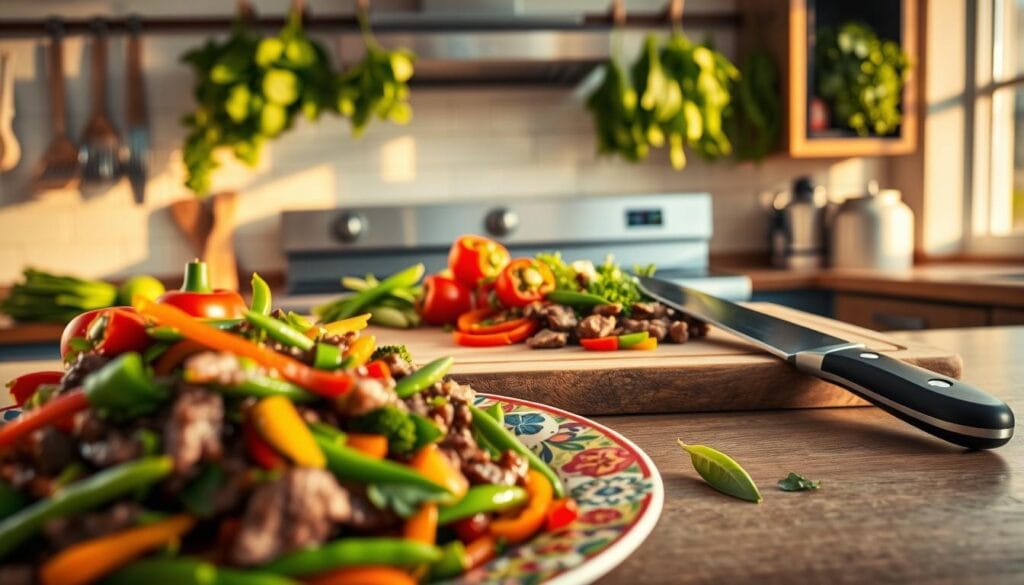
Serving Suggestions and Meal Pairings for Your Beef Stir Fry
With your meal complete, let’s dive into some delicious serving suggestions. The right accompaniments can elevate your dish, making it even more enjoyable. Here are some excellent options to consider.
Best Rice and Noodle Options
Start with classic steamed white rice, which perfectly absorbs the glossy sauce. Jasmine rice or basmati rice are also fantastic choices, offering fragrant aromas that enhance the savory notes of your dish.
If you’re looking for a delightful twist, rice noodles make an excellent alternative. They provide a unique texture that pairs beautifully with tender meat and fresh veggies. For a low-carb option, try cauliflower rice, which allows the stir fry flavors to shine through.
Garnishes to Enhance Flavor and Presentation
Don’t forget about garnishes! A sprinkle of sesame seeds adds a delightful crunch, while chopped green onions provide a fresh finishing touch. These simple additions can elevate the presentation and flavor of your dish.
Make-Ahead and Leftover Storage Tips
For those busy nights, consider making your stir fry ahead of time. You can prep vegetables and mix the sauce in advance to streamline your cooking process.
When storing leftovers, keep them in an airtight container in the refrigerator for up to 4 days. Note that the sauce may thin when reheated due to cornstarch losing its thickening power. A professional tip is to substitute cornstarch with arrowroot powder at a 1:1 ratio if you plan to make it ahead. Arrowroot maintains its thickening ability when reheated.
While the sauce might thin slightly, the flavors deepen and meld together, making your dish just as enjoyable the next day. These serving and storage suggestions ensure your beef stir fry remains a delightful option for meal prep and packed lunches.
Conclusion
You’ve now mastered the art of creating a delicious beef stir fry with fresh vegetables in just 30 minutes. This meal is perfect for busy nights, proving that quick doesn’t mean compromising on flavor.
The velveting technique is essential for achieving tender, succulent meat that rivals your favorite takeout. Combine that with crisp-tender vegetables and a rich, umami sauce, and you have a truly satisfying dish.
Feel free to experiment with different vegetable combinations and adjust the sauce to suit your taste. Remember, this recipe is flexible and designed for real life.
FAQ
What is the best way to prepare vegetables for a stir fry?
How can I make my stir fry sauce more flavorful?
What type of oil is best for stir frying?
Can I use frozen vegetables in my stir fry?
How do I store leftovers from my stir fry?
What protein alternatives can I use instead of beef?
How can I ensure my beef is tender in the stir fry?
What are some common mistakes to avoid when making stir fry?
Leftovers store well, making this a great option for meal prep. Join the community of home cooks who enjoy the joy of a homemade stir fry. Get ready to fire up your wok and enjoy a meal that your family will love!