

Thomas Keller, a famous chef, once said, “The best cooking is always about coming back to your own voice, your own instincts, and your own creativity.” This quote shows the heart of starting an online food business with your own recipes. It lets you build a digital space that speaks to your customers and makes your brand stand out.
Jordan Berke, founder of Tomorrow Retail Consulting, says shoppable recipes boost engagement and loyalty. They can make up 5% to 8% of online sales for grocery stores. A good recipe hub helps keep customers coming back and makes your brand a trusted cooking partner.
Table of Contents
Discovering Your Niche in the Food Market
Finding your niche in the online food world is key. With 43% of internet users worldwide finding meal ideas online, it’s vital to stand out. Identifying a specific area in the food market can lead to success.
Identifying Your Target Audience
Knowing your customers is the first step to success. Think about their likes, dietary needs, and cooking styles. Are you serving vegans, gluten-free fans, or busy people needing quick meals? Tailor your recipes and marketing to meet their needs.
For more on creating a customer-focused business, check our about page.
Analyzing Food Trends
Keeping up with food trends is crucial. Look at what’s popular and how you can fit in or lead. Use seasonal ingredients, focus on sustainability, or make healthy, tasty dishes. This way, you’ll attract a loyal crowd and stay competitive.
- Watch social media and food blogs for new trends.
- Try new ingredients and recipes to stay fresh.
- Talk to your audience to learn what they like.
Finding Your Unique Selling Proposition
Your USP makes your business unique. It could be a special recipe, cooking method, or local ingredient focus. Share your USP everywhere to build a strong brand.
Focus on your niche, know your audience, keep up with trends, and highlight your USP. This way, you can build a successful online food business that shines in a crowded field.
Turning Recipes into Profitable Products
To make your recipes into money-makers, you must plan carefully. You need to think about what makes your product stand out, how much it costs, and what customers will like. Start by checking if your recipes can make it in the market.
Evaluating Recipe Viability
It’s key to see if your recipes can do well. Think about their uniqueness, taste, and health benefits. Ask yourself:
- Does your recipe bring something new to the table?
- Can you make lots of it for sale?
- Does it fit with what people are eating now?
By asking these questions, you can spot which recipes could be big hits.
Cost Analysis for Pricing
Doing a cost analysis is vital for setting prices. Figure out the cost of ingredients, packaging, and making the product. Look at these costs:
- What ingredients cost
- Costs for packaging
- Expenses for labor and making the product
- Costs for marketing and getting it to stores
This helps you price your product right. You want to make money and still attract buyers.
Packaging and Presentation Tips
The way your product looks and feels matters a lot. Invest in high-quality visuals and think about how customers will feel. Here are some tips:
- Choose eco-friendly packaging
- Make your labels and designs eye-catching
- Make sure your packaging has clear instructions and your brand
By focusing on these, you can make your product more appealing. This can help build a strong brand that customers will love. It’s key to the success of your cooking business innovations and recipe-based online ventures.
Setting Up Your Online Presence
To make your recipes into a digital business, you need a strong online presence. This means taking a few important steps. These steps will help you build a solid base for your online food business ideas from recipes.
Choosing the Right E-Commerce Platform
Picking the right e-commerce platform is key for selling your digital products, like recipes. Sites like Sellfy let you sell directly to customers. This makes managing your digital recipe business models easier.
When picking a platform, think about how easy it is to use, payment options, and social media integration. Bluehost offers discounted WordPress hosting. This can be a good choice for a professional website.
Creating a User-Friendly Website
Your website is often the first thing people see of your business. So, it’s important to make it look good and be easy to use. Make sure your website shows off your recipes well and is easy for visitors to use.
For a good website, focus on a clean design, easy navigation, and being mobile-friendly. It should also have clear calls-to-action. These should encourage visitors to check out your products or sign up for newsletters.
Leveraging Social Media for Marketing
Social media is great for promoting your culinary business and talking to your audience. Sites like Instagram and Facebook are perfect for sharing your dishes and behind-the-scenes moments. They also help you connect with potential customers.
To use social media well, plan your content to show off your brand’s personality and cooking skills. Talk to your followers by answering comments and using hashtags to get more views.
Building an Engaging Brand
Creating a brand that speaks to your audience is crucial for recipe business opportunities. Your brand is the core of your online food business. It makes you stand out in the innovative online food ventures world.
Crafting a Brand Story
A compelling brand story is key to connecting with your customers. It should show your passion for cooking and your commitment to quality. Ashley Renee, a Sellfy creator, built her brand around keto recipes. Her story is about her personal journey and helping others with her recipes.
A good brand story is real, relatable, and consistent. It’s not just about what you sell. It’s about why you sell it and how it can change your customers’ lives.
Designing Your Logo and Visuals
Your logo and visuals are your brand’s face. They are crucial for your brand identity. A well-designed logo shows your brand’s values and personality quickly. Think about the emotions you want to create in your customers.
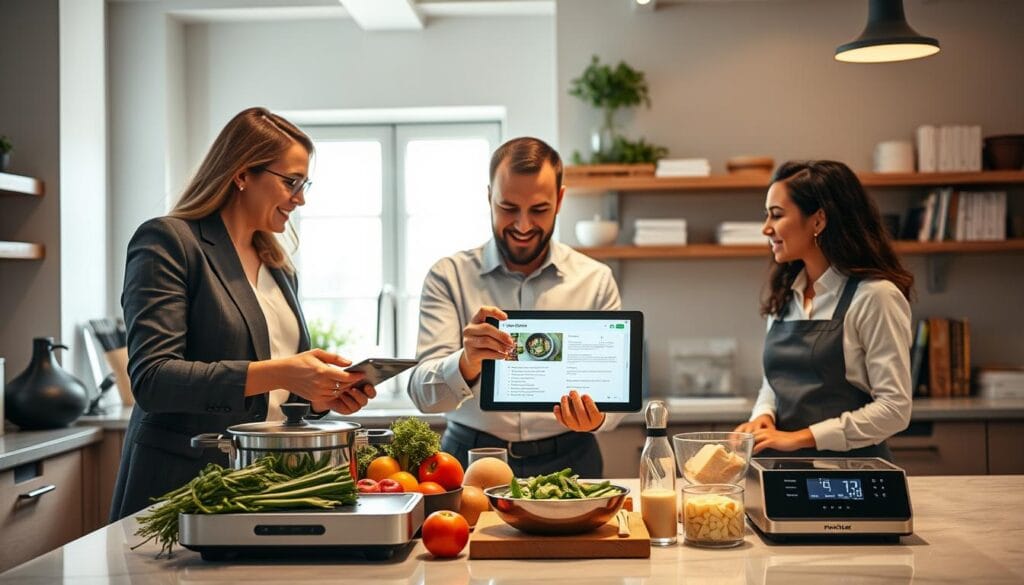
Being consistent with your brand visuals is important. Make sure your logo, colors, and fonts match everywhere. This creates a strong brand image that your audience will love.
| Brand Element | Description | Importance |
|---|---|---|
| Logo | Visual representation of your brand | High |
| Color Scheme | Colors used across your brand platforms | High |
| Typography | Fonts used in your branding | Medium |
| Imagery | Photos and graphics used to represent your brand | High |
Compliance and Regulations in Food Business
To start a successful online food business, you must know the rules. Following these rules helps you avoid legal problems and gain customer trust.
Understanding Food Safety Standards
Food safety is key in the food world. As an online food business owner, you need to follow these standards. This means handling, storing, and preparing food correctly. The FDA offers resources to help you learn about food safety.
“Food safety is everyone’s job, from farmers to consumers,” say experts. Following food safety rules is not just about obeying laws. It’s about keeping your customers safe and protecting your business’s good name.
- Proper food storage and handling practices
- Regular cleaning and sanitizing of equipment and facilities
- Training staff on food safety protocols
Getting Necessary Licenses and Permits
Getting the right licenses and permits is also vital. The types of licenses you need depend on where you are and what you sell.
Key Licenses and Permits:
- Food establishment permit
- Sales tax permit
- Business license
It’s important to find out what your business needs. The FDA and local health departments can help with this.
“The first wealth is health,” said Ralph Waldo Emerson, highlighting the importance of health and safety in business, like the food industry.
By focusing on following rules, you make your business legal and safe. This helps your customers stay healthy, building a strong base for your online food business.
Marketing Your Food Business
In the world of online food businesses, a good marketing plan can make a big difference. It’s important to use effective marketing methods. These methods should draw in new customers and keep the ones you already have.

Utilizing SEO Strategies
Search Engine Optimization (SEO) is a key part of a good marketing plan. By making your website better for search engines, you can get more people to visit. Use keywords like “culinary entrepreneurship concepts” and “innovative online food ventures” in your content.
To get the most out of SEO, create content that people want to read. This could be cooking tips, recipe videos, or stories about your kitchen. This way, you improve your SEO and give your customers something valuable.
Email Marketing Campaigns
Email Marketing is another great tool. It lets you send messages directly to your customers, share new recipes, and offer special deals. Email marketing helps you stay in touch with your customers, building loyalty and encouraging them to come back.
To make your email marketing better, make your messages personal and segment your audience. Include clear calls-to-action. You can also use it to get feedback, share customer stories, and build a community around your brand.
By using SEO and email marketing together, you can build a strong marketing plan. This plan will help your online food business grow and succeed.
Engaging with Your Customers
Building a loyal customer base is crucial for your recipe business opportunities to grow. You must connect with your customers in meaningful ways, not just sell to them.
Building an Online Community
Creating an online community around your brand can attract loyal followers. Start a forum or social media group for customers to share, ask, and interact. This encourages cooking business innovations and makes customers feel important.
To grow your community, offer valuable content, answer questions, and host events. This builds trust and gives you insights into what customers want. Tailor your offerings to meet their needs.
Encouraging Customer Feedback and Testimonials
Getting customer feedback and testimonials is key to credibility and attracting new customers. Show positive reviews on your website to highlight your product and service quality. This attracts those seeking profitable food industry ideas.
Engage with customers through emails or social media polls to get feedback. Review our terms of service to learn how to handle customer data and feedback responsibly.
Use customer testimonials in marketing like your website, social media, and ads. This builds trust and loyalty, helping your online food business grow.
Expanding Your Product Line
As your online food business grows, it’s key to keep innovating and add new items. This keeps your current customers interested and draws in new ones. You can do this by exploring new culinary possibilities and teaming up with influencers to promote your brand.
Exploring New Recipe Ideas
To stay ahead in the food market, update your offerings with fresh and exciting recipes. Here’s how:
- Do market research to find out what flavors and ingredients are trending.
- Try out different cuisines and cooking methods.
- Ask your customers through surveys or social media what they like.
For more ideas on diversifying your product line, check out food business ideas on Shopify.
Collaborating with Influencers
Working with influencers can really help your brand get noticed. They can share your new products with their followers, giving you authentic endorsements that can boost sales. Here’s how to team up with influencers:
- Find influencers who share your brand’s values and target audience.
- Offer partnerships that benefit both sides, like product sponsorships or affiliate marketing.
- Keep an eye on how these collaborations affect your business.
By always innovating and adding new items, you can keep your online food business competitive and attractive to more people.
Measuring Success and Growth
Starting your online food business with your own recipes means tracking your progress is key. You must evaluate how you’re doing to see what’s working and what’s not. This means looking at sales data and setting goals for the future to guide your plans.
Understanding Your Sales Insights
Looking at sales data gives you insights into what customers like and how they behave. You can find out which products sell the most, when sales are highest, and who your customers are. This info helps you make smart choices about what to sell, how much to charge, and how to market your food business.
Setting Goals for Continued Success
Setting clear, reachable goals is vital for your business to grow. You should aim for specific targets, like boosting sales by a certain amount or adding more products. By regularly checking and tweaking these goals, you stay on track with your business goals and keep up with market changes.
By keeping an eye on your performance and tweaking your plans, you can make sure your online food business thrives in the long run.