
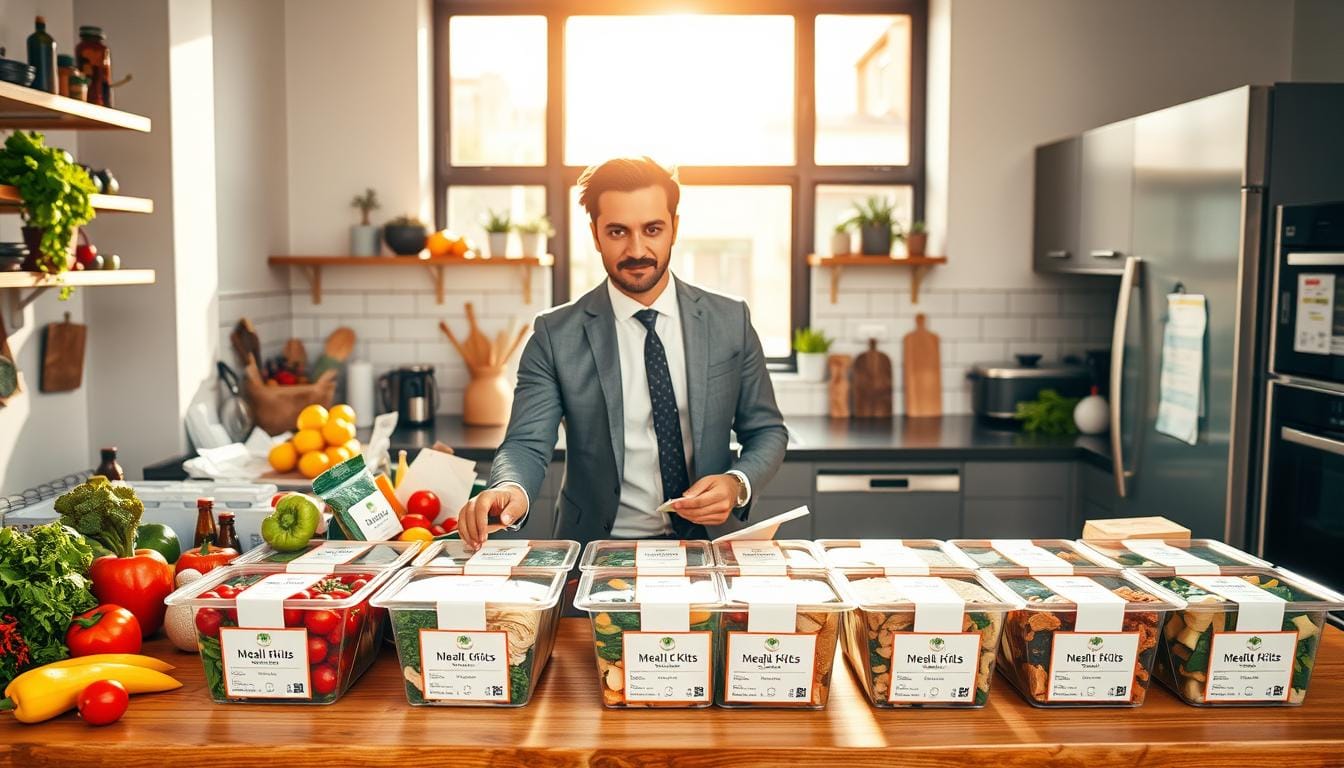
As Jamie Oliver once said, “Food is everything we are. It’s an extension of nationalist feeling, ethnic feeling, your personal health feeling, your cultural identity feeling, your place in the world.” This quote shows why starting a recipe-based food delivery startup is so important today.
The meal kit delivery market is growing fast. It’s expected to hit $64 billion by 2030. This growth is due to people wanting convenience, healthier food, and subscription services. You can join this trend by starting your own culinary startup. Focus on meal preparation services that meet different tastes and dietary needs.
By knowing the market and using smart strategies, you can make your meal preparation service successful. It will stand out in a crowded field.
Table of Contents
Understanding the Recipe-Based Food Delivery Model
To succeed in the meal kit delivery service industry, knowing your audience is key. The online recipe platform is popular. A successful gourmet meal kit business needs to understand this model well.
Defining Your Niche
Finding a clear audience and niche is crucial. You can do this by making customer personas. For example, you might focus on vegetarian or gluten-free recipes.
When defining your niche, consider:
- Dietary preferences (e.g., vegan, keto)
- Culinary interests (e.g., Italian, Mexican)
- Ingredient preferences (e.g., organic, locally sourced)
Key Components of the Business Model
The recipe-based food delivery model has several key parts for success. These include:
| Component | Description | Importance |
|---|---|---|
| Recipe Development | Creating unique and appealing recipes | High |
| Ingredient Sourcing | Procuring fresh and high-quality ingredients | High |
| Logistics and Delivery | Ensuring timely and efficient delivery | High |
| Customer Service | Providing support and addressing customer concerns | Medium |
Services like Blue Apron and HelloFresh show the importance of these components. Focus on recipe development and ingredient sourcing. This will attract and keep customers.
Understanding the recipe-based food delivery model and defining your niche is key. This way, you can build a thriving business that meets your audience’s needs.
Conducting Market Research
Starting a food delivery startup needs solid market research. This step is about learning about your customers, rivals, and the food delivery world trends.
Identifying Your Target Audience
Knowing your customers is key to serving them right. For a fresh ingredient delivery service, your audience might be busy professionals, health fans, or families needing easy meals. You can figure out who they are by looking at demographics, how they act, and what they like.
Let’s say your main customers are young professionals who love healthy food but don’t have time to cook. Knowing this, you can create a customized meal plan that fits their tastes and needs.
Analyzing Competitors
Looking at rivals like HelloFresh, Blue Apron, and Sunbasket can teach you a lot. Check their menus, how they deliver, and what customers say. This helps you see what’s good and what’s missing.
For example, you might see that many meal kits offer lots of recipes but not for special diets. By spotting this, you can make your home cooking subscription stand out by focusing on specific needs.
Understanding Trends in Food Delivery
The food delivery world is always changing, with a push for green, healthy, and easy options. Staying on top of these trends helps you place your service right. For example, people want more plant-based meals and local ingredients.
By knowing these trends, you can adjust your menu and delivery to match what customers want. Check out Quick Eats Hub to see how to lead in the food delivery market.
Crafting a Unique Selling Proposition
A strong unique selling proposition (USP) is key for your recipe-based food delivery service to stand out. Your USP makes your service unique and attractive to customers. Today, people want healthy, sustainable, and easy meal options. Your USP should match these desires.
Emphasizing Freshness and Quality
To create a strong USP, focus on using fresh, high-quality ingredients. People are willing to pay more for meals with organic, locally sourced produce. By stressing the freshness and sustainability of your ingredients, you can stand out from others.
Partner with local farmers and suppliers to get the best ingredients. This ensures your meals are top-notch and supports the local economy. Your online platform can showcase these efforts, attracting customers who care about sustainability.
Tailoring Recipes to Dietary Needs
Another important part of your USP is tailoring recipes to various dietary needs. With more people following special diets like vegan, gluten-free, and keto, you need to offer meals that fit these needs. By providing a wide range of recipes, you can attract more customers.
Use customer feedback to improve your recipes. This way, you can make sure your meals meet their expectations. This will help refine your USP and attract more people to your service.
By focusing on these areas, you can craft a compelling USP. This will help your recipe-based food delivery startup stand out in a crowded market.
Building Your Menu
Your menu is the heart of your food delivery startup. It needs to think about different tastes and diets. A good menu attracts customers and makes your brand stand out.
Creating Diverse Recipe Options
Your menu should have many options to please everyone. This means vegan, gluten-free, and low-carb meals. This way, there’s something for all tastes.
Think about these points for your menu:
- Use seasonal ingredients to keep things fresh and interesting.
- Include nutritional info so customers can choose wisely.
- Let customers customize their meals to fit their needs.
Food expert says, “A menu that changes with the seasons and listens to customers is crucial for keeping loyal customers.”
Sourcing Ingredients Sustainably
Choosing sustainable ingredients is good for the planet and makes your food better. Working with local farmers and suppliers means your food is fresh and supports the local economy.
“Sustainability is key to customers. By focusing on sustainable ingredients, you attract customers who care about the planet.”
To source ingredients sustainably, try these steps:
- Find local farms and suppliers that match your values.
- Make deals that guarantee fresh, sustainable ingredients.
- Check your supply chain often to meet your sustainability goals.
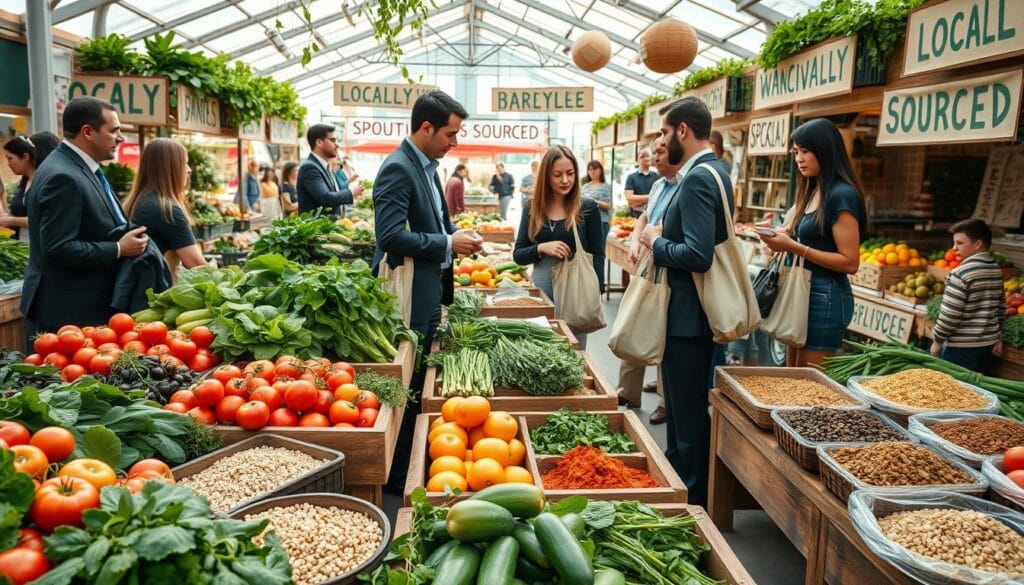
By making a menu with diverse options and sustainable ingredients, you please your customers. You also help make the food system better.
Technology Needs for Your Startup
Starting a recipe-based food delivery startup means you need to know about the technology behind it. The right tech makes your business run smoothly and improves customer experience. This leads to more loyalty and keeps customers coming back.
Choosing the Right Technology is a big decision. You need a delivery platform and a user-friendly app. Your tech should fit your business model. It should let customers easily order, customize meals, and manage subscriptions.
Choosing a Delivery Platform
Finding a delivery platform that works well with your systems is key. It should track deliveries in real-time, plan routes efficiently, and keep customers updated. Look for scalability, reliability, and good customer support when picking a platform.
- Scalability to handle increased demand during peak periods
- Reliability to ensure timely deliveries
- Customer support for addressing any delivery issues
Developing a User-Friendly App
Your mobile app is a key way customers interact with your service. It should be easy to use, letting customers browse, choose meals, and manage accounts without hassle.
Make sure your app has these features:
- Easy meal selection and customization
- Personalized recommendations based on dietary preferences
- Secure payment processing and order tracking
By focusing on these tech needs, you can build a strong, customer-focused platform. This will help your culinary startup grow and succeed.
Operational Considerations
Keeping your meal service top-notch is key. As you start your food delivery startup, a solid plan is essential. This plan will help you keep quality and consistency high.
Establishing Kitchen Partnerships
For a gourmet meal kit service to thrive, finding reliable kitchens is crucial. These kitchens must meet high food quality and safety standards. Look for kitchens with experience, enough space for your orders, and strict food safety rules.
Right kitchen partners let you focus on marketing and customer service. You can also explore slow cooker recipes for protein to add variety to your menu.
Logistics and Supply Chain Management
Good logistics and supply chain management are vital for fresh ingredient delivery. You must find top-notch ingredients and manage your stock well. This avoids shortages and cuts down on waste. A strong supply chain system makes your operations smoother and cheaper.
When picking suppliers, consider this table:
| Supplier Criteria | Importance Level | Evaluation Metrics |
|---|---|---|
| Quality of Ingredients | High | Sample Testing, Customer Feedback |
| Reliability of Delivery | High | On-Time Delivery Rate, Lead Time |
| Cost | Medium | Price per Unit, Discounts for Bulk Orders |
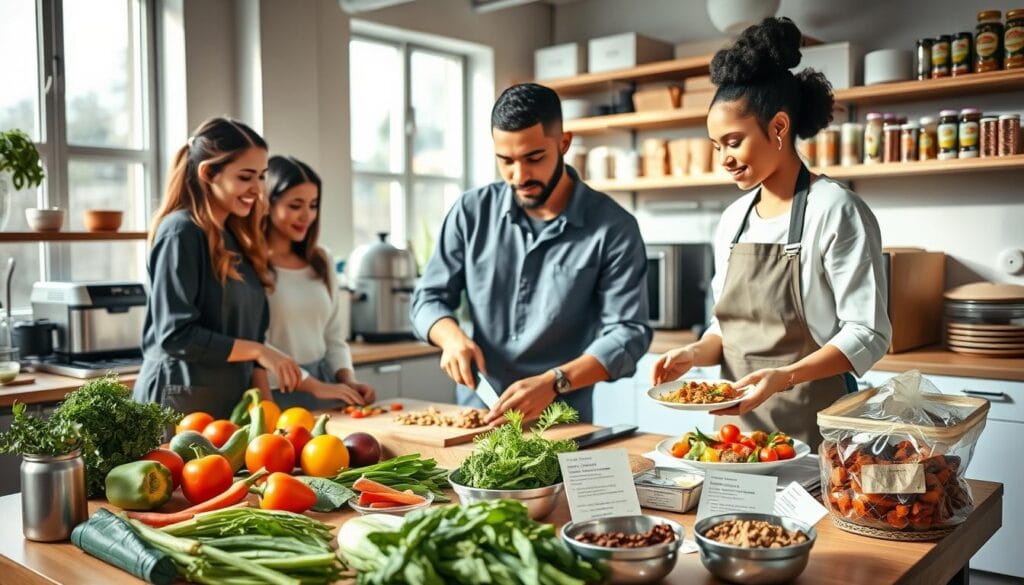
By focusing on operational details like kitchen partnerships and logistics, you can create a successful meal service. This will help you grow your business and keep customers happy.
Marketing Your Startup
A good marketing plan is essential for your recipe-based food delivery startup to stand out. It’s important to draw in and keep customers. This will help your brand grow.
Developing an Online Presence
Start by making a professional website. It should be user-friendly and easy to navigate. Include all the details about your services.
Look at successful meal kit startups on Passionfruit for marketing tips. This can help you improve your online presence.
Make sure your website is easy to find online. Use keywords like “home cooking subscription” in your content. This will help your website rank higher in search results.
Leveraging Social Media
Social media is great for showing off your meal kits and talking to potential customers. Share high-quality photos and behind-the-scenes looks. This builds a community around your brand.
Post recipes, cooking tips, and stories about your ingredients. This makes your brand more engaging.
Work with other food businesses on social media. Visit Quick Eats Hub to find partnership ideas.
Collaborating with Food Influencers
Food influencers can help spread the word about your brand. Choose influencers who share your values. This boosts your visibility and trustworthiness.
When picking influencers, look at their audience and how active they are. This ensures they match your target market.
Ask influencers to share their experiences with your meal kits. Use a branded hashtag. This creates excitement and attracts new customers.
Regulatory Compliance and Licensing
Before you can start serving meals, your culinary startup must follow many food safety rules and get the right licenses. Meeting these standards is not just the law. It’s also key to gaining your customers’ trust.
Understanding Food Safety Regulations
Food safety rules are in place to keep people safe from getting sick from food. As a meal prep service, you must follow the FDA and local health department’s guidelines. This means handling, storing, and preparing food right, and keeping your kitchen clean.
Key aspects of food safety regulations include:
- Proper food handling and storage practices
- Regular kitchen sanitation and hygiene practices
- Employee training on food safety protocols
Securing Necessary Permits
To legally operate, your startup needs different permits and licenses. The exact ones needed can change based on where you are. But, you’ll likely need a food service permit, a business license, and maybe other local permits.
For more info on licensing and permits, check out The Complete Guide to Meal Prep Business Licensing and.
By knowing and following these rules, your meal kit delivery service can run well. It will also keep a good image with both regulatory bodies and your customers.
Pricing Your Service
To start a recipe-based food delivery startup, pricing is key. You must set prices that attract customers and keep your business profitable. This means understanding your costs, looking at what others charge, and showing your customers the value you offer.
Evaluating Costs and Margins
First, figure out your costs. Think about what you spend on ingredients, packaging, labor, and delivery. For a gourmet meal kit, the quality of ingredients is important. This should be shown in your prices.
Calculate the cost per meal by adding up ingredient, packaging, and labor costs. Then, add delivery costs. Your prices must also cover other expenses like kitchen costs, marketing, and admin. After finding your total cost per meal, decide on your profit margin.
Competitor Price Analysis
It’s important to look at what your competitors charge. Check out other meal kit delivery services and their prices. See how they price their gourmet meal kits or customized plans.
Knowing how others price can help you find your place in the market. If you offer something unique, like special diets or top-quality ingredients, you might charge more. But if you’re aiming for a budget-friendly crowd, you’ll need to keep prices down.
By looking at your costs and competitors, you can set prices that meet your business goals and appeal to your target market.
Scaling Your Business
To keep growing, you must always look for ways to improve and expand your home cooking subscription. As your meal kit delivery service gets bigger, it’s important to have plans for growth and keeping things running smoothly.
Diversifying Your Menu
Adding new recipes is key to keeping things interesting for your customers. Think about introducing new cuisines or special diets to attract more people. For example, adding slow cooker recipes for protein, like those in our slow cooker recipes for protein collection, can be a hit with those looking for easy meals.
To make smart choices about new recipes, listen to what your customers say and look at your sales data. This will help you pick the right new dishes to add.
Targeting New Customer Segments
Looking into new markets is a big part of growing your business. This means finding and reaching out to different places and groups that fit your brand and what you offer. Think about moving into new cities or areas where people really want meal kit delivery services.
To reach new groups, create marketing plans that speak to them. Use social media and online ads to find and show off what makes your service special.
| Market Segment | Target Audience | Marketing Strategy |
|---|---|---|
| Urban Professionals | Busy individuals aged 25-45 | Social media campaigns, emphasizing convenience and healthy eating |
| Health-Conscious Consumers | Individuals prioritizing nutrition and wellness | Influencer partnerships, highlighting the nutritional benefits of your meal kits |
| Busy Families | Families with young children, seeking easy meal solutions | Email marketing, focusing on the ease of preparation and kid-friendly recipes |
By adding new recipes and exploring new markets, you can grow your business and stay ahead in the meal kit delivery service world.
Measuring Success and Feedback
Starting a recipe-based food delivery startup means you need to track success and listen to feedback. This helps you improve your service. By using customer feedback, you learn what customers like and what they don’t. This lets you make your meal prep better and make customers happier.
Customer Insights
Customer feedback loops help you understand if customers are happy. This feedback shows you how to make your service better. You can change your menu, how you deliver, and the quality of your service.
Data-Driven Decisions
Looking at sales data is key to finding out what works and what doesn’t. It helps you see trends and make smart choices. By studying sales, you can adjust your menu, prices, and marketing to meet customer needs better.
By paying attention to what customers say and analyzing sales, you can keep making your service better. This leads to growth and success for your meal prep business.