
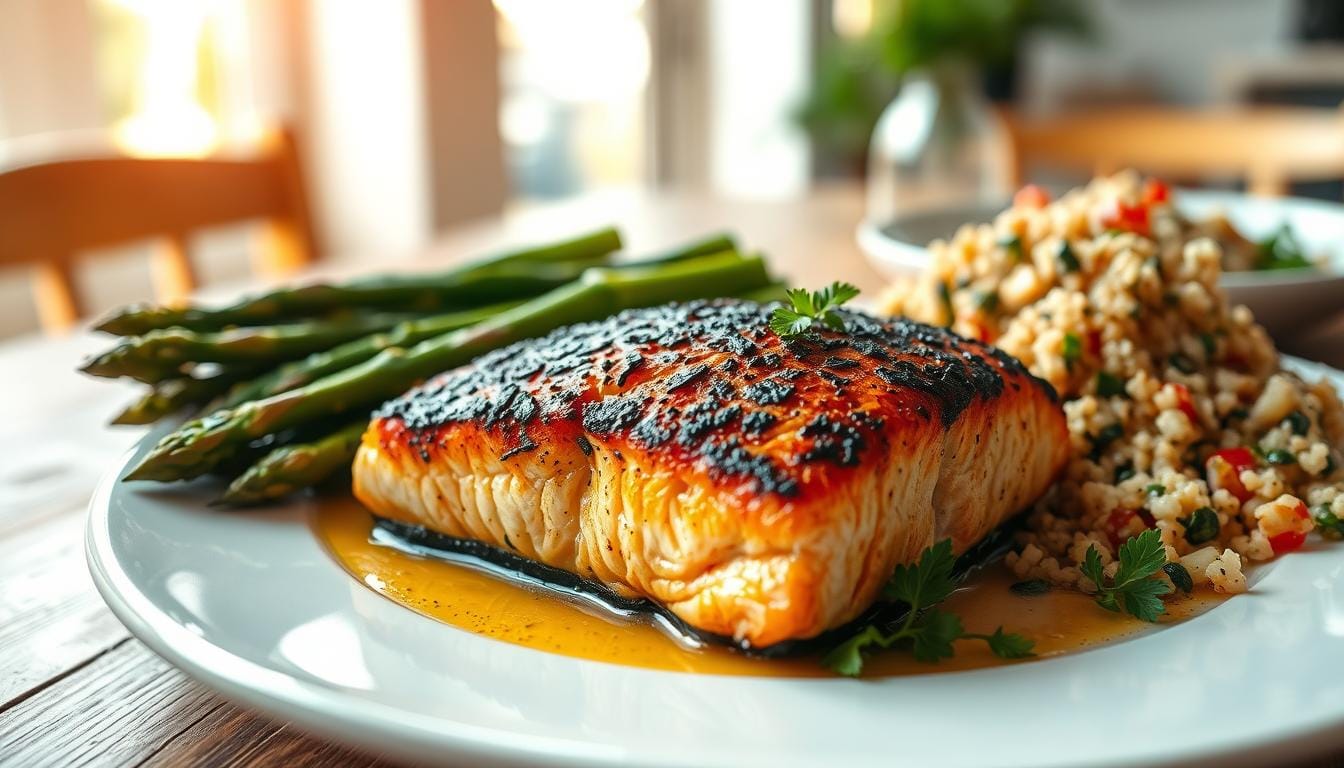
Imagine a dinner that transforms an ordinary evening into a culinary delight. With the right technique, you can turn simple fish into a stunning meal that impresses your family and friends. The art of blackening is not just about cooking; it’s about creating a flavorful experience that brings people together around the table.
This cooking method, rooted in Cajun-Creole tradition, offers a unique way to enjoy fish. As the spices meld with the fish, they create a crispy crust that locks in moisture and flavor. You don’t need to be a professional chef to achieve this; with just a few common spices and a hot skillet, you can create a dish that rivals any restaurant.
Whether it’s a busy weeknight or a special occasion, this dish is perfect for any setting. You’ll find that even if you’ve never cooked fish before, this method is straightforward and rewarding. Explore this culinary journey, and discover how easy it is to make a flavorful meal that everyone will love.
Table of Contents
Understanding What Makes a Great Blackened Salmon Recipe
Unlock the secrets to a remarkable dish that elevates your dinner experience. You are here because you want to understand what separates an average preparation from a truly great one. This section directly addresses your search intent by breaking down the core principles of this cooking technique.
First, let’s talk about user intent. You likely arrived at this article seeking a reliable, flavorful method for cooking fish that avoids bland results. You want to create a dish that delivers restaurant-quality taste at home.
User Intent: Why You’re Here
The unique appeal of blackening lies in the chemical reaction between butter, spices, and high heat. This reaction creates a savory crust while keeping the interior of the fish moist and tender. It’s important to note that blackening is not the same as burning. The dark color comes from toasted milk solids in the butter and charred spices, which develop deep, complex flavor without any bitterness.
The Unique Appeal of Blackening as a Cooking Technique
Another key point is that blackening can be applied to any firm-bodied fish and even chicken. This versatility makes it a valuable skill to add to your culinary repertoire. You will understand the difference between blackened and grilled fish. Blackening relies on a robust spice rub and butter to achieve its signature crust, while grilling depends solely on direct heat.
Origin and History of Blackened Cooking
Tracing back to its roots, blackening was popularized by Chef Paul Prudhomme at Commander’s Palace in New Orleans. He first served blackened redfish, sparking a nationwide culinary trend. The technique quickly gained popularity across the United States, showcasing the fusion of Cajun-Creole cuisine.
To see how the same blackening spice blend can be used in creative, plant-based dishes, check out our Blackened Zucchini Tacos. Mastering this technique at home is surprisingly easy. All you need is a well-stocked spice cabinet and a sturdy skillet.
By the end of this section, you will have a solid foundation in the history and science behind blackening. This knowledge will prepare you to select the best ingredients in the next part of the article.
Key Ingredients for Authentic Blackened Salmon
Crafting a standout dish requires a careful selection of key ingredients. For an authentic experience, you will want to start with quality salmon fillets. Aim for skin-on portions, preferably around 6 ounces each. The skin helps lock in moisture, ensuring your fish remains tender during cooking.
Salmon Fillets: Choosing Quality Fish
When selecting your salmon, look for firm, brightly colored flesh. Wild-caught salmon is often leaner and boasts a more pronounced flavor. On the other hand, Atlantic salmon has a higher fat content, resulting in a tender and moist dish.
Essential Spices and Seasonings
The blackening spice blend is crucial for achieving that signature flavor. In a small bowl, mix together:
- Smoked and regular paprika
- Salt
- Onion powder
- Garlic powder
- Cayenne pepper
- Dried oregano
- Dried thyme
- Black pepper
This mixture creates a robust flavor profile that enhances the fish beautifully.
The Role of Butter and Olive Oil in Blackening
Butter plays a vital role in the blackening technique. Brushing melted butter onto the fillets helps the spice mixture adhere. As it cooks, the milk solids in the butter toast, forming that iconic crust. You can also use olive oil alongside or instead of butter for a lighter option.
Additional Flavor Enhancers: Brown Sugar and Lemon
Brown sugar is a secret ingredient that adds a touch of sweetness. It caramelizes quickly in the hot pan, balancing the smoky spices. Finally, a squeeze of fresh lemon juice elevates the dish, cutting through the richness and adding brightness.
For more delicious preparations, check out our Baked Salmon or Pan Seared Salmon recipes. Remember, making only as much spice mixture as you need ensures freshness and potency.
How to Make the Perfect Blackened Salmon Recipe
With just a few simple steps, you can create a memorable dining experience. This section will guide you through the essential process of preparing your fish, making the spice rub, and cooking it to perfection.
Preparing Your Salmon: Pat Dry and Season
Start by placing the salmon fillets on a large plate, flesh-side up. Pat each fillet completely dry with paper towels. This crucial step removes surface moisture, ensuring that the melted butter and spice mixture adhere properly. A good sear is key to a flavorful dish.
Making the Blackening Spice Rub
In a small bowl, combine the following ingredients:
- 2 tablespoons paprika
- 1 tablespoon brown sugar
- 1 teaspoon salt
- 1 teaspoon onion powder
- 1 teaspoon garlic powder
- 1/2 teaspoon cayenne pepper
- 1 teaspoon dried oregano
- 1 teaspoon dried thyme
This mixture delivers a bold and balanced flavor that enhances the fish beautifully.
Cooking on the Skillet: Step-by-Step Instructions
Now, let’s move to the cooking process. In a separate small bowl, melt the butter. Brush the melted butter generously over the flesh side of each salmon fillet. Then, sprinkle the spice mixture evenly over the fillets, lightly patting the spices to adhere.
Heat a large cast iron skillet over medium heat without adding oil. Once the pan is hot (a droplet of water should dance on its surface), add the salmon fillets flesh-side down. Cook for 2 to 3 minutes without disturbing them. This allows the spices and butter to form a dark, flavorful crust.
After that, carefully flip each fillet using a spatula. Continue cooking for an additional 5 to 6 minutes until the skin becomes crispy and the fish is fully cooked through. The internal temperature should reach 145°F, according to the FDA guidelines.
Just before serving, squeeze fresh lemon juice over the finished dish. This adds brightness and balances the smoky, spicy notes of the seasoning. In total, this entire process takes only about 10 to 12 minutes, making it a quick and impressive option for any weeknight dinner.
For a delightful variation, check out our Cajun Honey Butter Salmon recipe. By following these detailed instructions, you will achieve restaurant-quality results with a crispy, well-seasoned crust and tender, flaky fish inside.
Baking Blackened Salmon in the Oven: An Easy Alternative
Baking a whole fillet of fish can be a delightful and easy alternative to stovetop cooking. This method is perfect for larger portions and minimizes smoke in your kitchen. With just a few simple steps, you can create a beautifully cooked dish that impresses your guests.
Start by preparing your whole salmon fillet. First, check for any pin bones by running your fingers along the fillet. If you find any, use fish bone tweezers to remove them. This step ensures a smooth dining experience. Next, pat the fish dry with a paper towel to help the seasoning stick better.
Preparing the Whole Salmon Fillet
Cover a large baking sheet with parchment paper. Place the salmon fillet in the center, skin side down. This helps to keep the fish moist while baking. Preheat your oven to 425°F (220°C) and position the rack in the center. This temperature allows for even cooking.
Brushing and Applying Seasoning
In a small bowl, combine melted butter with your blackening seasoning mixture. Brush this mixture generously over the flesh side of the salmon. Make sure every inch is coated for maximum flavor development. This step is crucial for achieving that iconic taste.
Baking and Broiling Tips for a Perfect Crust
Bake the seasoned salmon for 15 to 20 minutes, depending on the thickness of your fillet. Use an instant-read thermometer to check the internal temperature. The FDA recommends cooking fish to 145°F (63°C), but many cooks prefer to remove it at around 125°F (51°C) for a moister interior.
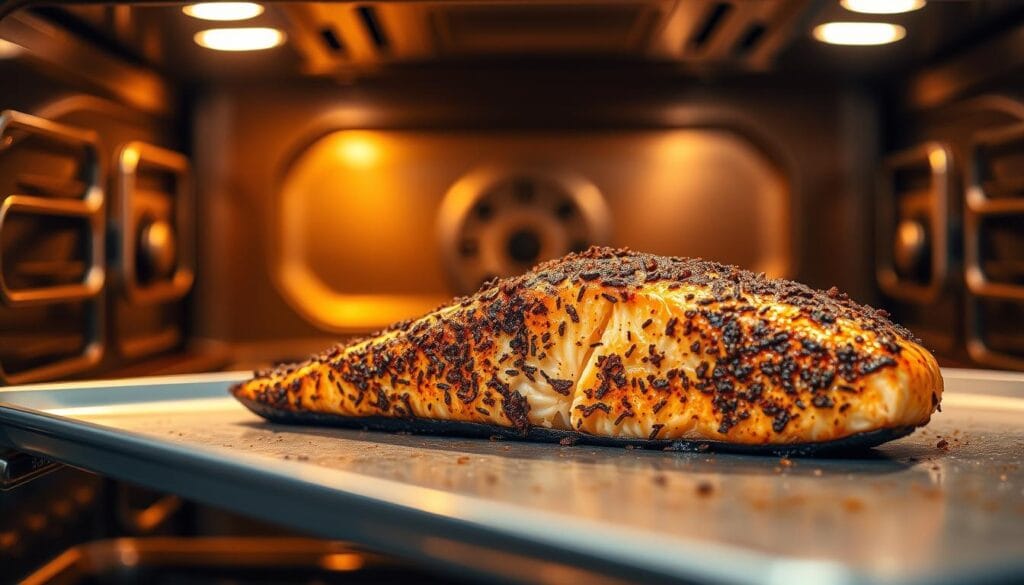
If the salmon isn’t blackened enough after baking, set it under the broiler for 1 to 2 minutes. This will intensify the blackened appearance and add extra texture. Baking this way allows you to focus on preparing sides while the fish cooks unattended.
By mastering both the skillet and oven methods, you gain flexibility in how you prepare your blackened salmon recipe. Whether you opt for the stovetop or oven, you can adapt to your schedule and the number of guests you’re serving.
For another delicious oven method, check out our Baked Salmon in Foil. This approach offers a milder flavor profile without the bold spices.
Expert Tips for Achieving the Best Blackened Salmon
Mastering the art of cooking fish can elevate your dining experience to new heights. To achieve that perfect dish, a few expert tips can make all the difference. By following these guidelines, you will consistently create a well-seasoned and flavorful meal that impresses.
First, keep your salmon fillets cold in the refrigerator until you’re ready to cook. This simple step helps the melted butter adhere better to the fish, ensuring a delightful crust. When the fish is cold, it allows for a better sear, enhancing the overall flavor.
Keeping the Salmon Cold Before Cooking
Keeping your fillets chilled is crucial. Cold fish helps the butter stick effectively, which is key for a crispy exterior. Aim to take the fish out of the fridge just before cooking. This practice will enhance the texture and flavor of your dish.
Using a Hot Pan for Optimal Blackening
Next, using a hot pan is essential for optimal blackening. A heavy-bottomed pan or a cast iron skillet works best. Heat the pan until a droplet of water dances on its surface. This ensures the spices char properly without sticking to the pan.
Why Not to Move the Fish Too Soon
When you place the fish in the skillet, resist the urge to move it around for at least 2 to 3 minutes. This patience allows the butter and spice crust to form. If you move the fillets too soon, they may stick, ruining that perfect sear.
Tools and Equipment That Make a Difference
Investing in the right tools can significantly improve your cooking experience. An instant-read thermometer is invaluable for monitoring the internal temperature of your fish. This tool helps you avoid overcooking, ensuring your salmon remains moist and tender.
Additionally, a fish bone tweezer is handy for removing any pin bones from your fillets. This ensures a pleasant dining experience for your guests. A basting brush is also useful for applying melted butter evenly across the flesh side of each fillet, promoting uniform blackening.
For more cooking techniques, consider checking out our Pan Seared Salmon recipe. Similar techniques of proper pan temperature and patience apply, enhancing your overall fish-cooking skills.
Lastly, remember to open a window or turn on your exhaust fan while cooking. This practical tip helps manage the smoke that naturally occurs at high heat, keeping your kitchen comfortable.
By incorporating these expert tips into your cooking routine, you will consistently produce blackened salmon with a perfectly crispy, well-seasoned crust and a moist, flaky interior every time.
Creative Ways to Serve Blackened Salmon
Discover how to enhance your fish dish with exciting serving ideas. Blackened salmon is not just a meal; it’s a versatile centerpiece that can be paired with a variety of sides, transformed into new meals, and complemented with flavorful sauces.
Classic Side Dishes to Pair With Blackened Salmon
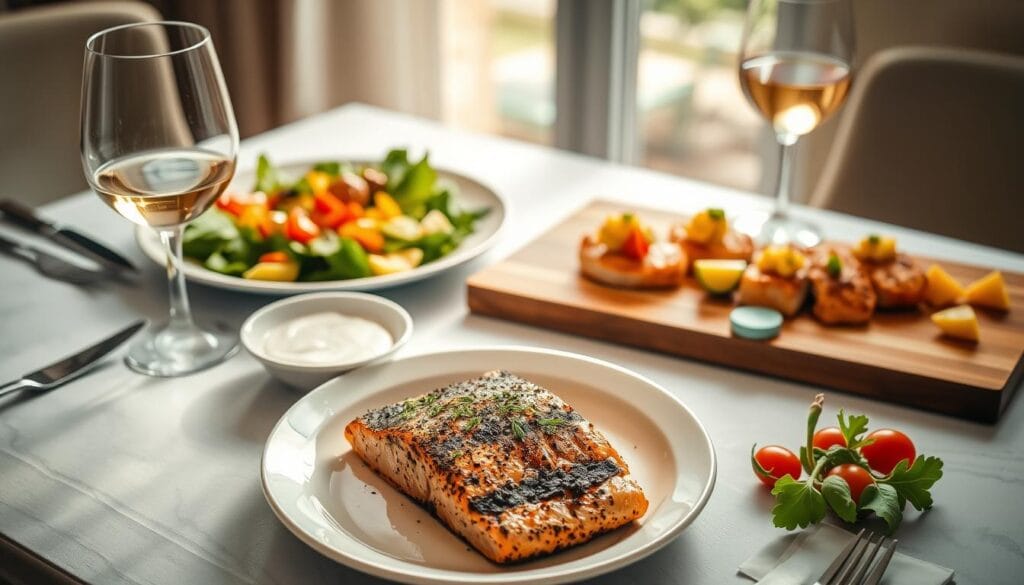
To complement the bold spices of your fish, consider classic side dishes that enhance the overall experience. Roasted asparagus, crispy smashed potatoes, and lemon rice are excellent choices. These sides balance the richness of the salmon without overpowering its flavor.
A simple green salad also works well, adding freshness to your dinner. You can even try Blackened Green Beans or Garlic Red Skin Mashed Potatoes for a delightful twist.
Make It a Meal: Tacos, Pasta, and Salads
Your blackened fish can easily be transformed into entirely new meals. Flake the salmon into warm tortillas to create blackened salmon tacos, topped with shredded cabbage and avocado. This dish is perfect for a casual dinner or a fun taco night.
Alternatively, serve it over pasta with garlic and olive oil for a satisfying meal. This combination creates a delightful dinner that highlights the flavors of the fish.
For a refreshing option, consider adding blackened salmon to a spinach strawberry salad. This dish, dressed with balsamic poppy seed dressing, is nutritious and vibrant.
Sauces That Elevate the Flavor
To take your blackened salmon to the next level, consider pairing it with flavorful sauces. A squeeze of fresh lemon juice is the simplest and most classic way to finish your dish, cutting through the richness of the butter and spices.
For something more elaborate, try Persillade Sauce, a vibrant French herb sauce made with parsley, green onions, garlic, lemon, and olive oil. This sauce adds brightness to every bite.
Another great option is Cajun Tartar Sauce, which provides a creamy, tangy complement to the smoky heat of the spices.
Feel free to mix and match these serving suggestions based on the season, your mood, and what ingredients you have on hand. With these ideas, your blackened salmon can shine as the star of countless dinners.
Storing and Reheating Your Blackened Salmon
Enjoying your fish dish doesn’t have to end when dinner is over. Knowing how to store and reheat your meal properly can keep it delicious for days. While this dish is best enjoyed fresh, you can still savor the flavors later with the right techniques.
First, let’s discuss the best practices for storage. After your meal, place any leftover fish in an airtight container. This method helps preserve its quality. According to various sources, you can store it in the refrigerator for up to 3 to 4 days. Remember, the sooner you eat it, the better the taste will be.
Best Practices for Storage
- Store leftovers in an airtight container.
- Keep in the refrigerator for up to 3 to 4 days.
- Consume sooner for the best flavor.
Next, when it’s time to reheat, you’ll want to do it gently. The goal is to warm the fish without losing its moisture. One effective method is to use a skillet on the stovetop. Heat it over medium-low heat and add a small pat of butter or a drizzle of olive oil. This addition will help keep the fish moist while warming it through.
Reheating Without Losing Moisture
- Use a skillet over medium-low heat.
- Add butter or olive oil to maintain moisture.
- Warm until just heated through.
If you prefer, you can also reheat your dish in the oven. Preheat it to 350°F (175°C) and place the fish on a baking sheet. Cover it with foil to prevent it from drying out. This method ensures that your meal remains tender and flaky.
Use Leftovers for Tasty New Dishes
Don’t let those leftovers go to waste! You can easily repurpose them into new meals. For example, flake the fish into salads or mix it into scrambled eggs for a hearty breakfast. You can also make delicious tacos by placing the fish in warm tortillas with your favorite toppings.
Another great option is to toss it with pasta and a light olive oil dressing for a quick dinner. The possibilities are endless, and using leftover fish can save you time while adding variety to your meals.
However, freezing cooked fish is not recommended. The texture can become mushy when thawed, which compromises the quality of your meal. Instead, cook only what you plan to eat within a few days.
By following these storage and reheating tips, you can maximize the enjoyment of your dish. Remember, the key is to keep it moist and flavorful. For more ideas on using leftover fish, check out our Blackened Salmon Tacos or try a salmon scramble for breakfast!
Health Benefits of Eating Blackened Salmon
Eating fish can be both delicious and beneficial for your health. Among various options, salmon stands out for its rich nutritional profile. This section will explore the many advantages of incorporating this flavorful fish into your diet.
Rich in Omega-3 Fatty Acids and Protein
Salmon is an exceptional source of omega-3 fatty acids. These essential fats support cardiovascular health, reduce inflammation, and promote optimal brain function. You will discover that a single 6-ounce fillet delivers approximately 35 grams of high-quality protein. This protein helps build and repair tissues while keeping you feeling full and satisfied after your dinner.
Essential Vitamins and Minerals
Salmon is packed with essential vitamins and minerals. It contains vitamin A for eye health, vitamin C for immune support, potassium for blood pressure regulation, and iron for oxygen transport in the blood. These nutrients play a vital role in maintaining overall health.
Why Blackening Is a Healthy Cooking Method
Blackening is a healthy cooking method because it uses only a thin layer of butter or olive oil to adhere the spice mixture. This results in far less added fat than deep-frying or heavy cream-based preparations. The technique cooks salmon quickly over high heat, preserving its natural nutrients and preventing the loss of delicate omega-3 fatty acids that can occur with prolonged cooking times.
The spice blend used in blackening also contributes health benefits. Ingredients like garlic powder and onion powder provide antioxidants, while cayenne pepper may boost metabolism. You will appreciate that blackened salmon fits seamlessly into a balanced diet, offering a nutrient-dense dinner option that doesn’t sacrifice flavor for health.
For an even lighter cooking method, consider trying Poached Salmon. This alternative allows you to enjoy a flavorful, tender fish dish while minimizing added fats.
By incorporating salmon into your regular meal rotation, you will nourish your body with essential nutrients while enjoying a delicious, restaurant-quality dish at home.
Comparing Blackened Salmon with Other Cooking Methods
Understanding the nuances between different cooking methods can enhance your culinary skills. Each technique offers unique flavors and textures, making it essential to know how they differ. In this section, we will compare blackened salmon with grilled, poached, and baked variations, highlighting the distinct characteristics of each method.
Blackened vs Grilled Salmon
The difference between blackened and grilled salmon lies primarily in the spices and technique. While both methods use high heat, blackening relies on a specific spice rub and butter to create its signature crust. This crust forms through a chemical reaction between the milk solids and spices, resulting in bold flavors.
In contrast, grilled salmon is simply cooked over direct flame. Although it can be seasoned, grilling does not depend on those seasonings to achieve its flavor. You can explore more about this method in our Grilled Salmon in Foil recipe.
Blackened Salmon vs Poached or Baked Variations
When comparing blackened salmon to poached salmon, the differences are stark. Poaching involves gently cooking the fish in liquid, resulting in a tender, delicately flavored dish. This method is ideal for those who prefer milder tastes and softer textures.
Baked salmon, such as our Baked Salmon in Foil, produces evenly cooked, moist fillets with a more subtle flavor profile. In contrast, blackened salmon delivers bold, smoky, and spicy notes with a crispy exterior. This makes it a favorite for those who crave intense flavors.
Each cooking method has its unique appeal. Having multiple techniques in your repertoire allows you to choose the perfect preparation based on your mood, the season, and your dinner guests’ preferences. Blackened salmon stands out for its flavor and textural contrast, offering a delightful experience for your taste buds.
By understanding these comparisons, you will be better equipped to select the ideal cooking method for any occasion. Blackened salmon remains a top choice when you want maximum flavor impact in minimal time.
Additional Resources and Recipes to Try
Expanding your culinary skills doesn’t stop at one dish. You can explore a wealth of recipes and resources that complement your cooking journey. This section will guide you to various internal and external links, enriching your experience with delicious options.
Explore Related Recipes
You will find a curated collection of internal links to all the related recipes mentioned throughout the article. Each recipe is designed to enhance your cooking repertoire:
- Baked Salmon in Foil – A foolproof oven method for tender fish.
- Pan Seared Salmon – A simpler stovetop approach that delivers flavor.
- Poached Salmon – A lighter preparation that keeps the fish moist.
- Grilled Salmon in Foil – Perfect for outdoor cooking.
- Baked Teriyaki Salmon – An Asian-inspired twist on your dinner routine.
- Spicy Baked Salmon – For those who crave extra heat.
- Blackened Cod Recipe – Apply the same technique to other firm-bodied fish.
- Cajun Honey Butter Salmon – Explore bold flavors of Louisiana cuisine.
- Cajun Salmon Alfredo Pasta – A delightful fusion of flavors.
- Cajun Crab Stuffed Salmon – A rich and savory dish.
- Bang Bang Salmon – For adventurous flavor seekers.
- Miso Glazed Salmon – A unique flavor profile for your fish.
- Blackened Zucchini Tacos – A plant-based option to consider.
- Blackened Green Beans – A great side dish to pair with your meals.
- Garlic Red Skin Mashed Potatoes – Perfect for a comforting side.
- Persillade Sauce – Elevate your fish dishes effortlessly.
- Cajun Tartar Sauce – A creamy complement to your dishes.
Helpful External Links
For additional insights, you can refer to these external resources:
- FDA Cooking Temperature Guidelines – Ensuring your meals are safe and delicious.
- NPR Article on Blackening – Learn about Chef Paul Prudhomme’s impact on this cooking technique.
By exploring these resources, you can enhance your cooking skills and enjoy a variety of delicious meals. Whether you’re looking for a comforting dinner or a bold new flavor, there’s something here for everyone!
Conclusion
Congratulations! You have now journeyed through every aspect of creating the perfect dish. This blackened salmon recipe is not only simple but also quick and impressive, making it ideal for busy weeknight dinners or special occasions.
Remember, the key to success lies in using quality fish, a balanced spice blend, and the right cooking technique. With these tips, you can achieve a flavorful and visually stunning meal.
We encourage you to try the recipe and explore various serving suggestions and sides. Don’t forget to check out the main blackened salmon recipe for all the details you need to get started.
After trying it, please leave a comment and rating to help others discover this delicious dish. Enjoy your culinary adventure!