
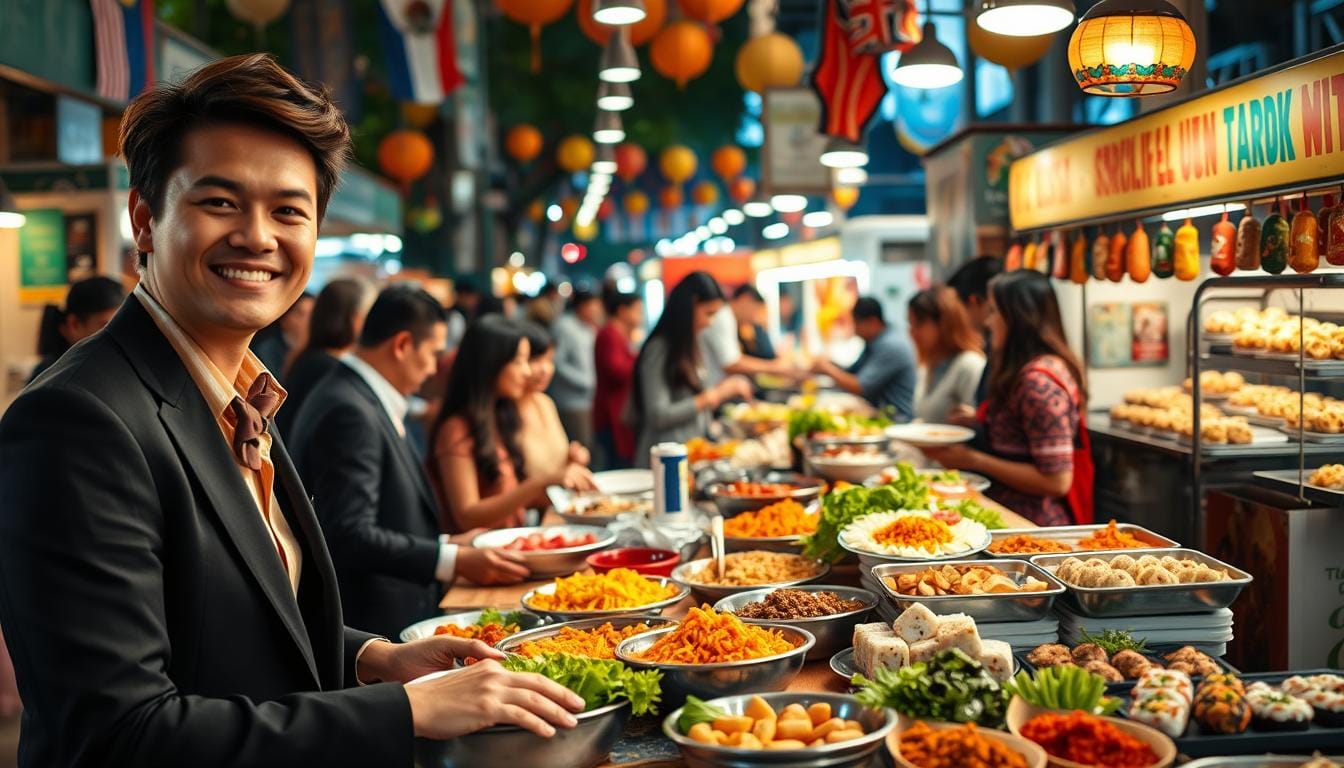
As Julia Child once said, “The only time to eat diet food is while you’re waiting for the steak to cook.” This quote shows the joy of enjoying rich, diverse foods. Starting an ethnic food business can be very rewarding. It’s because there’s a high demand and many opportunities in this field.
You can make the most of the growing need for different foods by looking into profitable business ideas. These ideas can serve both local and online markets. With the help of online platforms, you can reach more people and build a successful business.
Table of Contents
1. Understanding the Ethnic Food Market Landscape
Ethnic cuisine is becoming more popular in the United States. This presents a great chance for businesses to meet this growing need. When thinking about starting an ethnic food business, knowing the market is key to success.
Importance of Ethnic Cuisine in America
Ethnic cuisine is very important in America. It shows the country’s cultural diversity and offers unique flavors. For successful ethnic food businesses, embracing this cultural richness is essential.
Ethnic cuisine brings people together, creating a sense of community. Restaurants that specialize in ethnic cuisine act as cultural ambassadors. They introduce new flavors and cooking techniques, driving the demand for ethnic foods.
Trends Influencing Ethnic Food Demand
Several trends are boosting the demand for ethnic foods. International travel and cultural exploration are making people curious about new cuisines. The growing diversity of the American population also means more people are interested in ethnic foods.
Health-conscious consumers are also playing a big role. Many ethnic cuisines, like Korean and Indian, are known for their health benefits. This trend offers businesses a chance to offer healthy, flavorful options, such as those found in seafood-centric dishes.
Target Demographics for Ethnic Foods
Knowing your target demographics is crucial for any business, including ethnic food ventures. The main groups for ethnic foods are culturally diverse communities seeking authentic cuisine.
Younger consumers, like millennials and Gen Z, are also key. They are adventurous and eager to try new cuisines. They often look for unique dining experiences and enjoy cooking international dishes at home.
By understanding these demographics and trends, you can tailor your ethnic food business to meet your audience’s needs. This tailored approach is vital for success in the competitive ethnic food market.
2. Starting a Food Truck Specializing in Ethnic Cuisine
Ethnic food trucks are becoming more popular. They offer a unique chance for entrepreneurs. With lower costs than traditional restaurants, food trucks are a great start for a business. Specializing in ethnic cuisine can attract a loyal customer base, setting your business up for success.
Choosing Your Ethnic Niche
Choosing the right ethnic cuisine is key for your food truck’s success. You should pick a cuisine you love and that people want. Some popular cuisines include:
- Korean BBQ: Known for its bold flavors and spices, Korean BBQ has gained a significant following worldwide.
- Mexican: With its vibrant flavors and variety, Mexican cuisine is a favorite among many food truck enthusiasts.
- Indian: Indian cuisine offers a diverse range of dishes, from spicy curries to rich, creamy kormas.
- Middle Eastern: Middle Eastern cuisine, with its kebabs, falafel, and shawarma, is known for its rich flavors and aromas.
When choosing your niche, think about your target audience and local competition. It’s also important to find high-quality, authentic ingredients.
Location: Finding the Best Spots
Location is crucial for your food truck’s success. You need to find places with lots of people and a demand for ethnic cuisine. Some good locations include:
- Festivals and Events: Cultural festivals, concerts, and sporting events can be lucrative locations for your food truck.
- Busy Street Corners: Areas with high foot traffic, such as busy street corners or outside office buildings, can be ideal.
- Near Universities: College students often appreciate diverse, affordable food options.
- Ethnic Neighborhoods: Areas with a high concentration of people from the ethnicity you’re catering to can be a great place to start.
Scouting locations and understanding your target audience’s preferences will help you maximize your sales.
Marketing Your Food Truck
Effective marketing is crucial for attracting and retaining customers. Here are some strategies to consider:
- Social Media: Use platforms like Instagram and Facebook to showcase your dishes and interact with your customers.
- Local SEO: Ensure your food truck appears in local search results by optimizing your website and online listings.
- Promotions and Discounts: Offering limited-time promotions or discounts can help attract new customers.
- Collaborations: Partner with other local businesses or influencers to expand your reach.
By combining these strategies, you can create a loyal customer base and drive the success of your ethnic food truck business.
3. Setting Up a Catering Business with a Cultural Twist
Adding ethnic cuisine to your catering business can make you stand out. As more people seek diverse food experiences, your service can attract many clients. This guide will help you start a catering business that highlights ethnic flavors.
Types of Events to Target
Finding the right events is key for your catering business. Look for events that fit well with diverse food, such as:
- Cultural festivals
- International corporate events
- Weddings with multicultural themes
- Private parties celebrating heritage
These events are great for showcasing your ethnic cuisine. They attract clients who want something unique.
Menu Development for Diverse Clients
Creating a menu for diverse clients is essential. Your menu should have a variety of ethnic dishes and meet different dietary needs. Think about:
- Offering vegan and gluten-free options
- Incorporating dishes from various cultures
- Using fresh, locally sourced ingredients
By focusing on these points, you can make a menu that appeals to many. This will help your business stand out.
4. Launching an Online Ethnic Grocery Store
Starting an online ethnic grocery store is a great business idea. It taps into the growing demand for ethnic products. This meets the needs of diverse cultures across the United States.
Sourcing Authentic Ingredients
To succeed, finding authentic ingredients is key. You need reliable suppliers for high-quality products. Focus on products without wine and pork to attract more customers.
Key considerations when sourcing products:
- Authenticity of the products
- Quality control measures
- Reliability of suppliers
- Compliance with food safety regulations
Building a User-Friendly E-commerce Platform
Your e-commerce platform is your business’s face. It must be easy to use, look good, and be simple to navigate. Make sure your website has a good search function, clear categories, and high-quality images.
Tips for creating an effective e-commerce platform:
- Simple and intuitive navigation
- Responsive design for mobile devices
- Secure payment processing
- Regular updates with new products or promotions
Engaging with Your Customer Base
Connecting with your customers is vital for loyalty. Use social media, email newsletters, and loyalty programs. Knowing what your customers like helps you improve your offerings.
Customer engagement strategies:
| Strategy | Description | Benefits |
|---|---|---|
| Social Media | Use platforms like Facebook and Instagram to share recipes, behind-the-scenes content, and promotions. | Increased brand visibility, customer interaction |
| Email Newsletters | Send regular newsletters with updates on new products, sales, and events. | Customer retention, increased sales |
| Loyalty Programs | Implement a rewards program for repeat customers. | Customer loyalty, positive word-of-mouth |
5. Creating a Meal Kit Delivery Service Featuring Exotic Recipes
Meal kit delivery services are getting more popular. Adding exotic ethnic recipes can make your business stand out. It attracts a wide range of customers with its unique appeal.
Selecting Popular Dishes
To do well, pick a menu that’s both tasty and true to its roots. Look into dishes like Korean Bibimbap, Indian Butter Chicken, or Jamaican Jerk Chicken. They’re not only delicious but also simple to make with the right ingredients.
Make sure your dishes fit different diets and needs. Offer vegan, gluten-free, and other special options. This will attract more customers. Also, use top-quality, genuine ingredients to keep the dishes authentic.
| Dish | Cuisine | Dietary Options |
|---|---|---|
| Korean Bibimbap | Korean | Vegan, Gluten-free |
| Indian Butter Chicken | Indian | Gluten-free |
| Jamaican Jerk Chicken | Jamaican | Gluten-free |
Packaging and Delivery Strategies
Good packaging is key to keeping your meal kits fresh and tasty. Use insulated boxes with ice packs for cold items. Make sure your packaging is eco-friendly and meets food safety rules.
For delivery, team up with trusted logistics companies. They should deliver on time and efficiently. Offering flexible delivery times, like weekends or specific hours, can make customers happier.
By focusing on these important points, you can build a profitable ethnic food business. Make sure your service is easy to use and culturally rich. This will help your business become a successful ethnic food business.
6. Opening a Brick-and-Mortar Ethnic Restaurant
Starting an ethnic food business in a brick-and-mortar restaurant needs careful planning. It’s not just about serving food; it’s about creating an experience. This experience should feel like a journey to different parts of the world.
Interior Design Reflecting Cultural Heritage
The design of your restaurant is key to the dining experience. It should show the culture of the food you serve. For example, a Japanese restaurant could use Shoji screens and tatami mats for a real feel.

- Traditional colors and patterns
- Cultural artifacts and decor
- Authentic furniture and fixtures
| Cultural Element | Description | Example Cuisine |
|---|---|---|
| Traditional Colors | Using colors that are significant in the culture | Red and gold for Chinese cuisine |
| Cultural Artifacts | Incorporating items that reflect cultural heritage | Indian textiles for an Indian restaurant |
Staff Training for Authentic Experience
Training your staff is key to a real dining experience. They should know about the cuisine, its history, and culture. This improves service and makes the experience more authentic.
Training should include:
- Cuisine history and cultural significance
- Traditional cooking methods and ingredients
- Customer service standards tailored to the ethnic cuisine
By focusing on these, you can offer a memorable and authentic dining experience. This will attract customers and make your restaurant stand out as a profitable venture.
7. Offering Cooking Classes Focused on Ethnic Dishes
With more people interested in global food, cooking classes on ethnic dishes can be very profitable. It lets you share your love for different cuisines and connect with your community.
To do well, know who you’re teaching. Are you for adventurous eaters, busy people wanting new recipes, or families wanting to learn about different cultures through food? Knowing your audience helps you make classes they’ll enjoy.
Identifying Your Target Audience
Finding out who to teach means looking at demographics, interests, and cooking skills. Use online surveys, social media polls, or feedback from local food events. For example, you might find people love slow cooker recipes with ethnic proteins.
With a clear idea of your audience, create classes that speak to them. This could mean focusing on certain cuisines, cooking methods, or diets.
Curriculum Development for Classes
Creating a solid curriculum is essential for great cooking classes. Choose dishes that show off ethnic cuisine’s diversity and richness. Include recipes that are easy for beginners but still challenging for experts.
Key considerations for your curriculum include:
- Cultural sensitivity and authenticity
- Practical cooking skills and techniques
- Use of locally sourced and authentic ingredients
- Adaptability for different dietary needs
By focusing on these, you’ll offer classes that teach ethnic cuisine and respect its cultural background. This can make your business a respected and profitable ethnic cuisine business, tapping into the growing interest in ethnic food.
8. Selling Ethnic Snacks at Local Farmers Markets
Selling ethnic snacks at local farmers markets can be very profitable. More people are trying new foods, which means they want unique and real ethnic snacks. This trend is growing fast.
Types of Snacks in Demand
Knowing what ethnic snacks are popular is important. People love spicy snacks from Asia, savory pastries from Latin America, and crunchy fried treats from Africa. Offer a variety of snacks that are tasty and free from prohibited items. This way, everyone can enjoy them.
Maximizing Your Booth’s Visibility
To get noticed at busy farmers markets, make your booth stand out. Use bright colors and clear signs to show off your snacks. Talk to customers and give out samples to increase sales. For tips on starting a snack business, check out this guide on starting a snack business.

9. Collaborating with Local Businesses for Cross-Promotions
Working with local businesses can really boost your ethnic food business. It can help you reach more people and sell more. By teaming up with businesses that fit well with yours, you can attract new customers and run promotions that help both sides.
Building Relationships with Local Suppliers
It’s key to have good relationships with local suppliers for cross-promotions to work. They can give you real ingredients and products that make your food stand out. Here are some ways to build these relationships:
- Attend Local Trade Events: Go to trade shows, farmers’ markets, and food festivals to meet suppliers.
- Network and Communicate: Talk to suppliers often to learn about their products, prices, and how they deliver.
- Negotiate Mutually Beneficial Terms: Find deals that work for both you and the supplier, like discounts or joint promotions.
Strategies for Joint Marketing Ventures
After you’ve got good relationships with suppliers, you can start working on marketing plans together. Here are some good ideas:
- Co-Branded Promotions: Work on promotions that show off your food and the supplier’s products or services.
- Joint Social Media Campaigns: Use social media to promote each other’s businesses and reach more people.
- Host Events Together: Plan cooking classes, food festivals, or other events to show off your products and the supplier’s.
By using these strategies, you can build a strong network of local business partnerships. This can help your ethnic food business grow and make more money.
10. Utilizing Social Media to Promote Your Ethnic Food Business
Social media is a key tool for promoting your ethnic food business today. Platforms like Instagram and YouTube are great for boosting sales and brand awareness. For example, online bakeries or custom cake businesses do well on Instagram because of its focus on visuals.
Effective Content Strategies
Creating engaging content is key to grabbing your audience’s attention. Share recipes, kitchen behind-the-scenes, or customer testimonials. When starting an ethnic food business, focus on your unique cultural offerings. Make sure your content meets your audience’s tastes.
Building a Loyal Community
Building a brand community is more than just posting. It’s about interacting and engaging with your followers. Reply to comments, ask for feedback, and start a conversation. This builds loyalty and helps your business grow, contributing to the success of ethnic food businesses in your area.